Football boots Puma: Ultra, Future and King
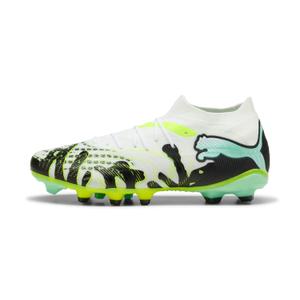
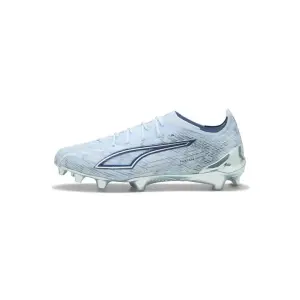
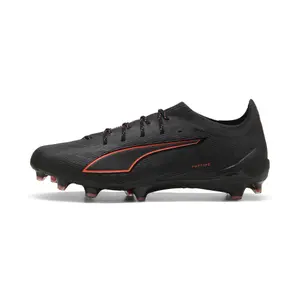
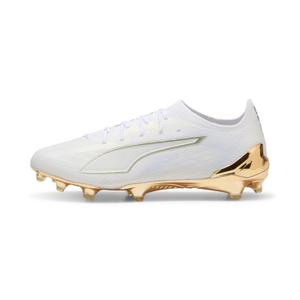
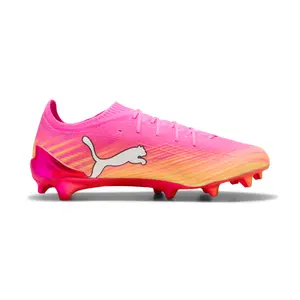
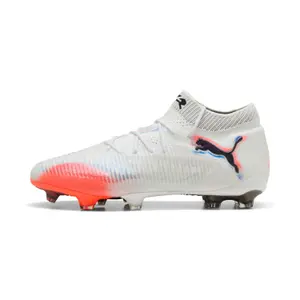
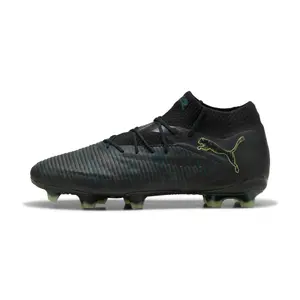
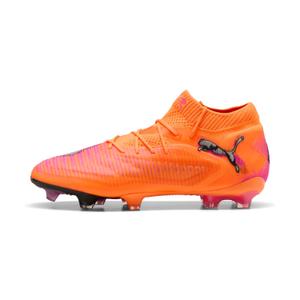
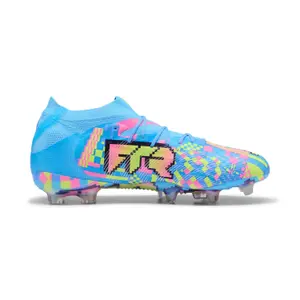
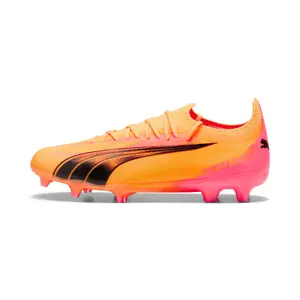
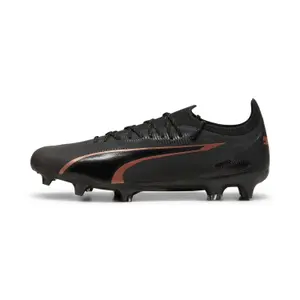
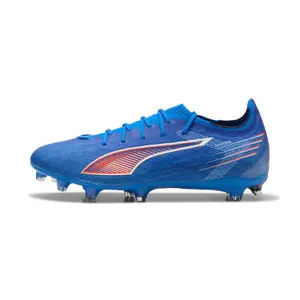
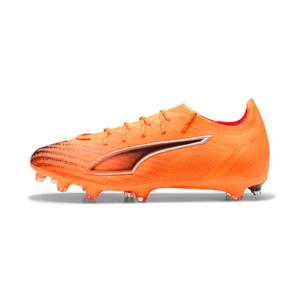
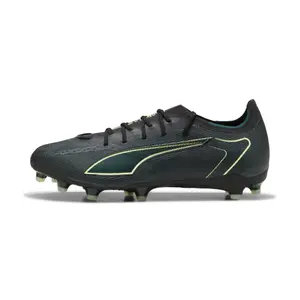
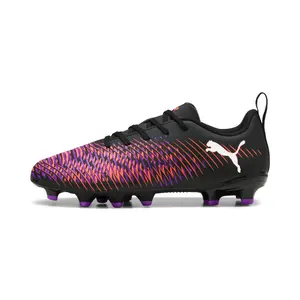
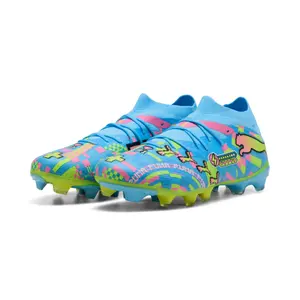
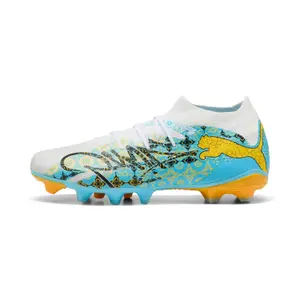
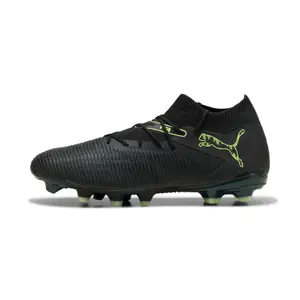
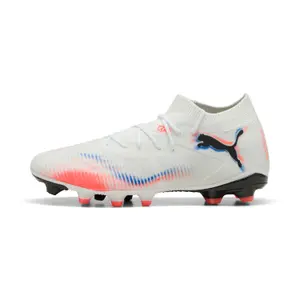
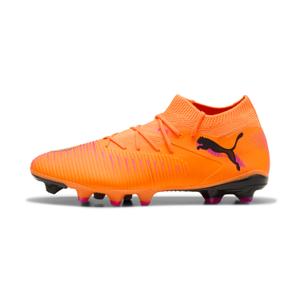
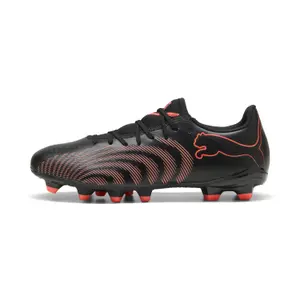
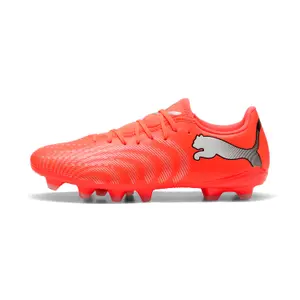
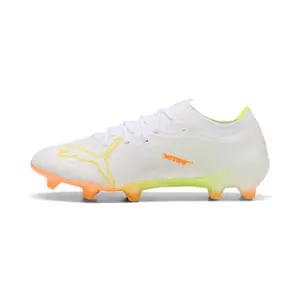
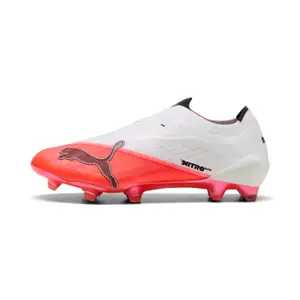
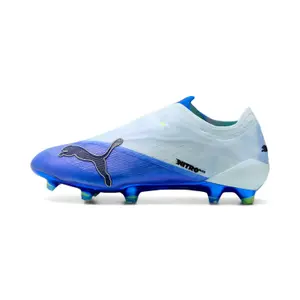
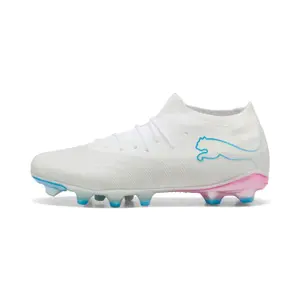
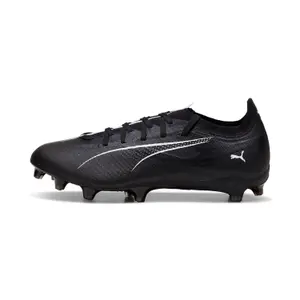
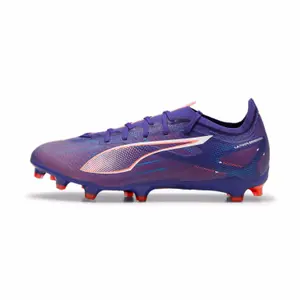
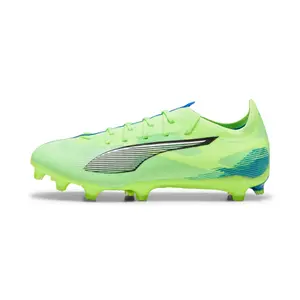
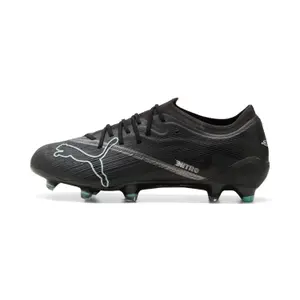
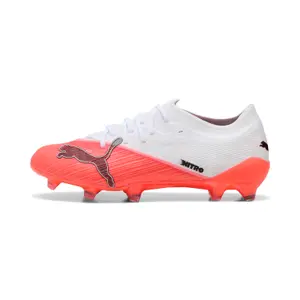
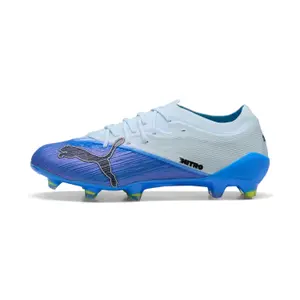
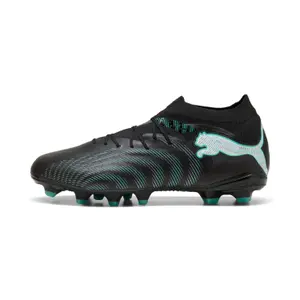
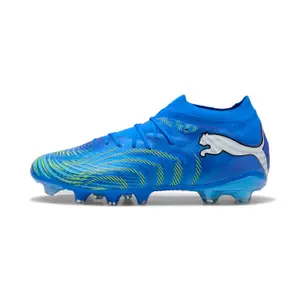
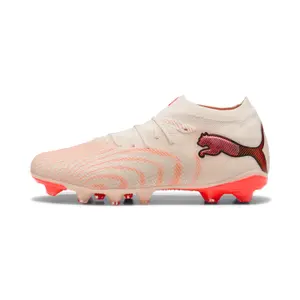
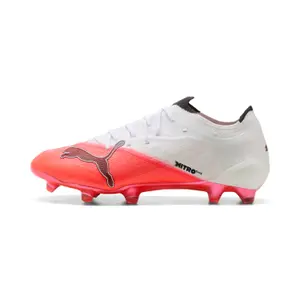
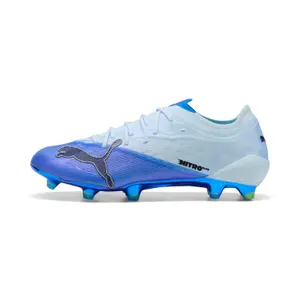
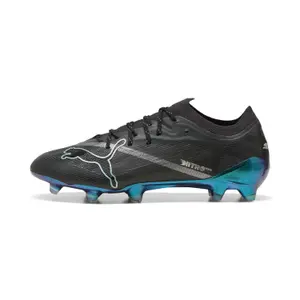
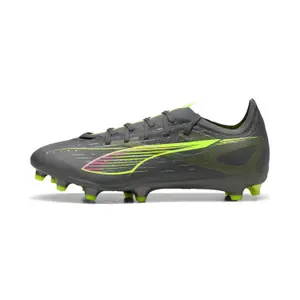
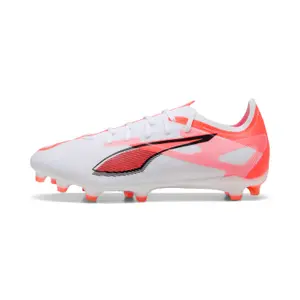
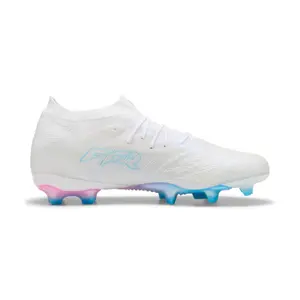
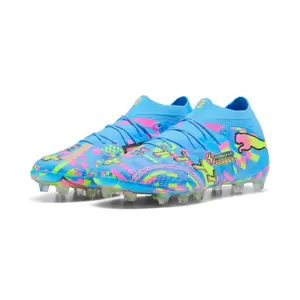

The football boots Puma gathered here cover the lines of the brand in the catalogue: Ultra for speed, Future for ball control, King for touch, and Evo for historic models.
You go from training shoes to match-worn models, for both adults and juniors.
What football boots Puma can you find on this page?
This page brings together football boots Puma for adults and juniors, for pitch and indoor use, as offered on Foot-Store. Specifically, you'll find the current silos from the German brand, Ultra, Future and King, along with the Evo selection that includes historic lines. Each line is available in several levels of finishing, from the pair designed for training to the high-end model worn in competition.
The Puma boots displayed here are mostly FG/AG models, meaning they're designed for dry natural ground as well as for synthetic grass, with strict FG versions available on the highest-performing models. If you're looking for a pair for another type of surface, the pitch page sorts boots by sole rather than by brand.
Ultra, Future, King, Evo: the ranges of Puma boots
Puma divides its football boots into distinct lines, each associated with a style of play, and you can consult them separately:
- The Puma Ultra, the brand's speed line, built around lightness and sprinting, now available in Ultra 5, Ultra 6, and Ultra Nitro 7.
- The Puma Future, focused on ball control, changes of direction, and creativity, featuring Future 8 and Future 9 generations.
- The Puma King, the brand's historic line, oriented towards comfort and ball touch, favored by players looking for a soft upper and a classic fit.
- The Puma Evo selection, which includes models from the old evoSPEED and evoTOUCH families, for players who remain attached to these silos.
These four pages serve as entry points: if you already know which silo suits you, you save time starting from there instead of browsing the entire Puma selection.
Ultra or Future: how to choose according to your position?
The choice between Ultra and Future is based more on your style of play than your exact position. The Ultra is the speed boot: thin upper, lightweight, sole designed for sprinting and quick starts, which appeals to wingers and strikers who play deep, as well as full-backs who often push forward.
The Future is more suited to players who frequently get touches on the ball and change direction often: midfielders, playmakers, and wingers who dribble in tight spaces. Its snug fit and upper designed for contact with the ball facilitate control and passing.
The King remains the choice for players who prioritize immediate comfort and classic touch, including centre-backs or holding midfielders who want a solid pair without a break-in period. If unsure, consider what you do most frequently on the pitch: run, create, or maintain your position.
Match, Pro, Ultimate: what's the difference between versions of the same model?
The same Puma silo comes in several levels, and it's mainly budget and frequency of play that decide. The Match versions are the most accessible in a line: they replicate the design and spirit of the silo in a simplified construction, suited for training and weekend matches. For example, the catalogue offers Future 8 Match, Future 9 Match, Ultra 5 Match, and Ultra 6 Match in FG/AG.
The Pro versions sit in the middle, with a more refined construction than the Match while still falling below the high-end. The Ultimate versions are the most advanced models of each line, worn by professional players: Ultra Ultimate, Ultra Nitro 7 Ultimate, Future 8 Ultimate, or Future 9 Ultimate ADV LVL. They are lighter, more fitted, and often require a foot accustomed to a snug fit.
If you're a beginner, play twice a week, or are buying for a growing child, a Match or Pro version will cover your needs. An Ultimate makes sense when you're looking for sensations closest to those of a professional pitch.
FG, AG, indoor: what sole for your pitch?
The sole should first be chosen based on the pitch you play on most often. FG models are designed for dry natural grass, the most common scenario in amateur leagues. AG models are built for synthetic surfaces, with shorter and more numerous studs that distribute pressure underfoot.
The FG/AG mention, frequently found in the Puma selection, refers to a versatile sole that accepts both surfaces: it's the logical choice if your club alternates between a grass pitch and a synthetic training pitch. For indoor use, flat-soled models with non-slip rubber are reserved for wooden floors and smooth surfaces. The complete classification by surface can be found on the pitch page, and all brands on the football boots page.
Puma, Nike, adidas, or Mizuno: how to compare?
Puma occupies a unique place due to its fit, often described as narrower and closer to the foot than its competitors, and the longevity of the King, one of the oldest lines still produced. If you want to compare before deciding, other brands have their own pages.
- The boots Nike, featuring the Mercurial, Phantom, and Tiempo lines.
- The boots adidas, organized around the brand's historic three-stripe silos.
- The boots Mizuno, known for their leather and comfort.
- The other brands, for less mainstream manufacturers and less common fits.
The new packs also allow you to see the colours that brands release together across several silos, often before a big competition.
Where to find Puma boots on promotion?
Good deals on Puma boots are concentrated on a few dedicated pages that are active all year round. The page football boot promotions collects discounted models, and the clearance boots features previous collection pairs, including remaining sizes. The page good shoe deals gathers current offers.
The calendar matters as much as the page. The Black Friday marks the start of the busiest period of the year, followed by the end-of-year holidays, then the winter sales on shoes and French Days in spring. Between these events, the release of a new generation in a silo can shift the lines: when an Ultra or a Future changes its number, the previous version joins the end-of-line pages.
On the other end of the spectrum, the new football boot arrivals showcase the latest releases, and the shipped within 24h page filters the pairs that go out the fastest, useful when you have a short-term match.
Frequently asked questions
Do Puma shoes run small?
The fit of Puma shoes is generally known to be narrower and snug, especially on the high-end versions of the Ultra and Future lines. Players with wider feet often feel more comfortable in a King, which has a more classic and flexible construction. If in doubt between two sizes, it's better to rely on the size guide for that specific model rather than a general rule.
Which Puma shoe to choose for a child?
For a child or teenager, the Match and Pro versions of the Future and Ultra lines are more than sufficient: they are softer, less demanding on the foot, and less expensive than an Ultimate. An FG/AG sole is the safest choice, as youth categories often alternate between grass and synthetic. Suitable models can be identified in the selection by their adult/junior label.
Can you play on synthetic with FG studs?
It's possible occasionally, but it's not the intended use: an FG sole has longer and fewer studs, which don't grip well on synthetic and put more strain on joints. On a regular synthetic pitch, an AG sole or a mixed FG/AG sole is more appropriate. Most Puma models in this selection are indeed mounted in FG/AG.
What's the difference between a Puma Future 8 and a Future 9?
These are two successive generations of the same line, with the Future 9 being the most recent. Puma evolves the upper, support system, and sole from one generation to the next, so sensations can differ significantly despite the common name. The most reliable approach is to compare the specifications of both models on the Puma Future page, rather than assuming the new version is just a simple update.
Is it better to wait for a promotion to buy a pair of Puma shoes?
It all depends on your timing. If you need a pair for your return or for an upcoming match, the new arrivals and shipped within 24h pages are more helpful than an uncertain wait. If you can wait, sales periods and the arrival of a new generation in a silo regularly shift previous season models to the good deals and clearance pages.