Running, trail and cross training shoes


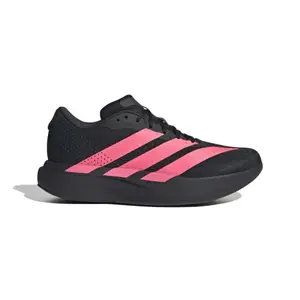

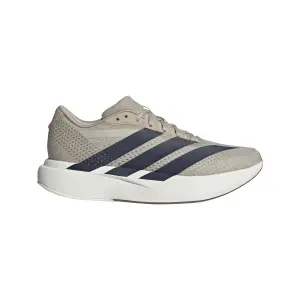
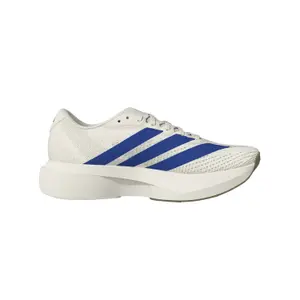
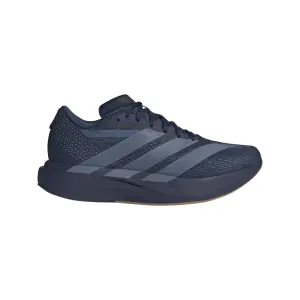

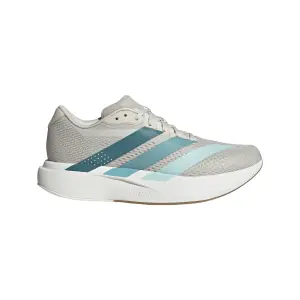


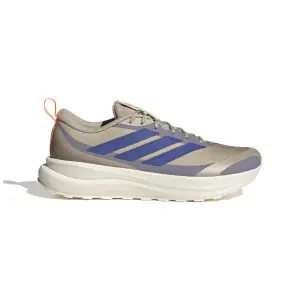


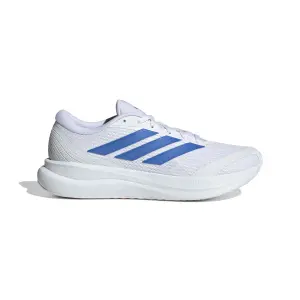
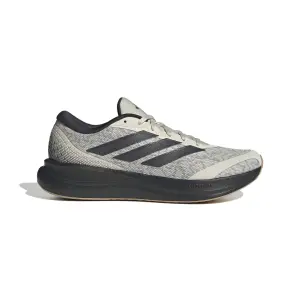
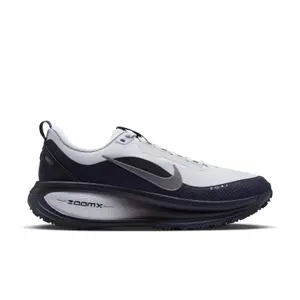


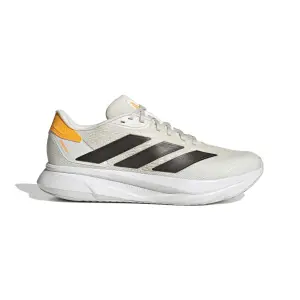


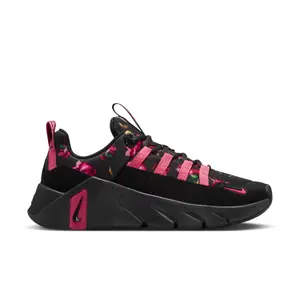


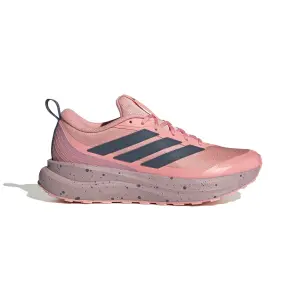
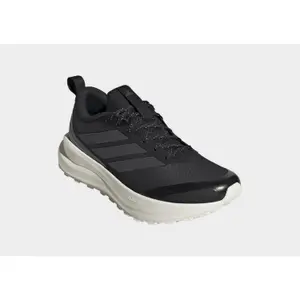
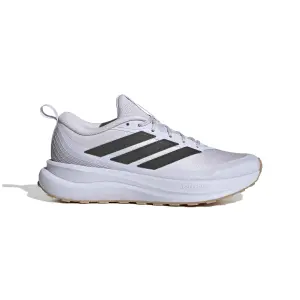
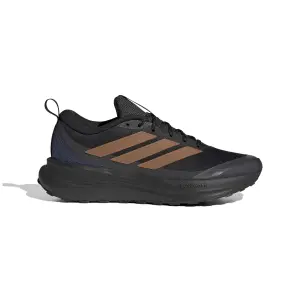

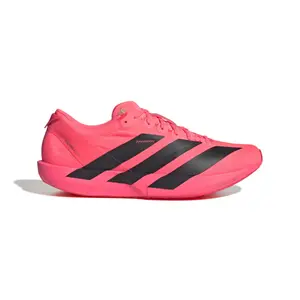
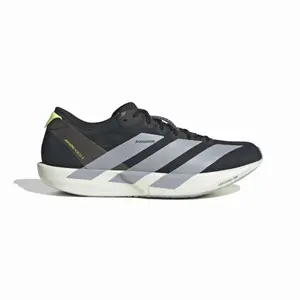
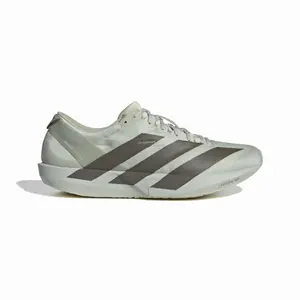


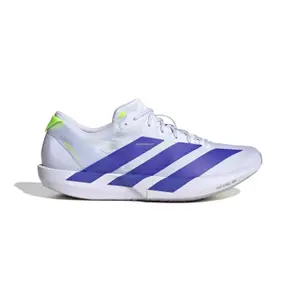
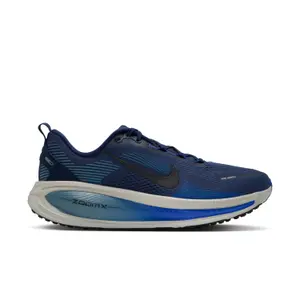


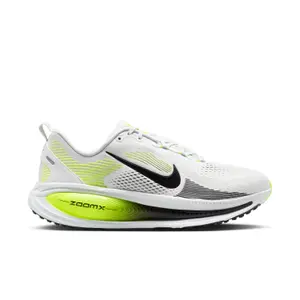


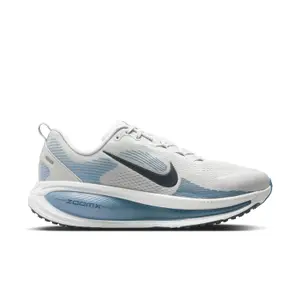
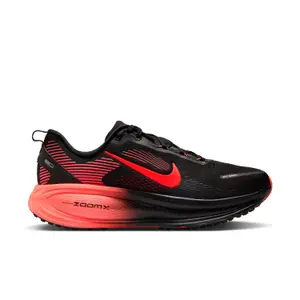
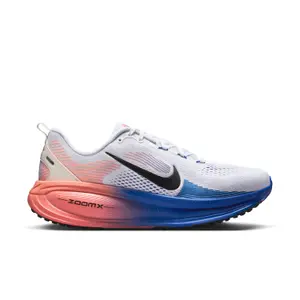


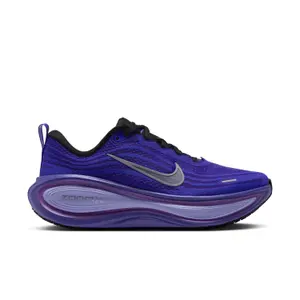

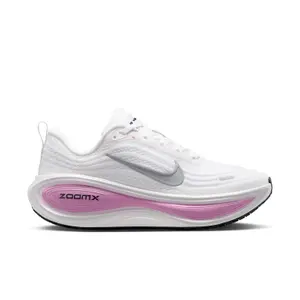
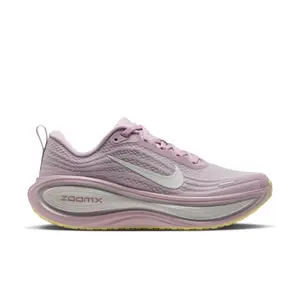

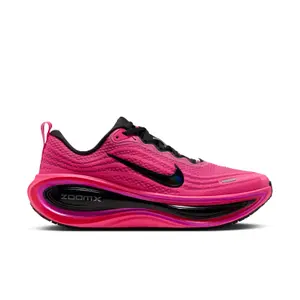


On Foot-Store, you'll find a selection of running shoes, trail shoes, and cross training shoes from Nike, adidas, and Puma. Whether you run on the road, on trails, or do strength training sessions, you'll find models designed for your needs here.
The ranges are sorted by brand to help you easily compare models that fit your stride and usage.
Which shoes to choose based on your activity: running, trail or cross training?
The choice mainly depends on the terrain you run on and the type of effort you put in. A running shoe is designed for road or track use, with cushioning and grip suitable for a regular surface. A trail shoe has a more rugged sole and enhanced grip for trails, technical paths, and unstable ground. A cross training shoe prioritises lateral stability, useful for strength exercises, jumps, or quick changes of support.
Before choosing, also consider your stride. Some models are better suited to overpronation, while others are made for supination or a neutral stride. If you're unsure, look at the wear on your old shoes: significant wear on the inside indicates overpronation, while wear on the outside suggests supination.
Running, trail, cross training: what are these three categories for?
These three categories meet different needs and do not replace one another over time. The running shoe remains the most versatile for road outings, interval training, or tarmac competitions. The trail shoe is designed for natural terrains, with reinforced protection for the foot against stones and roots. The cross training shoe, which is lower and more stable, is suitable for sessions that combine short runs, bodyweight exercises, and core work.
If your activity changes throughout the year, such as between road running and nature outings, it might be useful to have a dedicated pair for each type of terrain rather than just one model for everything.
Nike, adidas, Puma and others: running and trail shoe brands
Foot-Store groups running, trail, and cross training shoes by brand, to help you compare ranges more easily:
- Nike, with models like the Vomero or the Pegasus, available in both running and trail versions.
- adidas, particularly the Adizero and Hyperboost ranges, as well as Runfalcon models for a more versatile use.
- Puma, with performance-oriented models like the Deviate Nitro or the Velocity Nitro.
- Asics, a brand recognised for its cushioning technologies for road running.
- Under Armour, focusing on versatile technical models.
- New Balance, for shoes designed for comfort and foot support.
- Saucony, a go-to choice for regular runners.
- Joma, with accessible models for beginners or regular training.
- Mizuno, known for the precision of its soles.
- Reebok, also present in the cross training segment.
- Peak, for accessible priced running models.
You can also find all available brands on the Brands page, or return to the Running category to explore related clothing and accessories.
Where to find good deals on running and trail shoes?
Foot-Store offers several pages dedicated to sales events, which you can check according to the times of the year. Near Black Friday, the Black Friday page gathers current offers on shoes and sports clothing. During the end-of-year holidays, it's often a great time to refresh your pair before getting back into action. During the winter sales, the Sales page features models at reduced prices. In spring, the French Days are also a great time to watch prices before the seasonal releases.
Outside of these times, you can check the Good Deals, Clearance, and Special Offers pages at any time. If you need a pair quickly, the Shipped in 24h page lists models available for fast dispatch. Finally, the New Arrivals page allows you to keep up with the latest collections from the brands available on the site.
How to choose the right size and cushioning?
The choice of size and cushioning depends on the distance covered and the frequency of use. For long outings on the road, generous cushioning limits joint fatigue, while a lighter and more responsive model is better for faster paces or interval sessions. For kids' models, like some Adizero or Duramo variations, the construction fits the shape of a growing foot, with enhanced support.
If you're unsure between two sizes, it's generally recommended to leave a bit of space in front of the toes, especially for trail running where the foot may swell slightly during effort.
Frequently Asked Questions
Can you use a running shoe for cross training?
It's not recommended over time. A running shoe is built for the forward-backward motion of running, while a cross training shoe needs to stabilise the foot during lateral movements and jumps. Using a running shoe for regular cross training increases the risk of ankle instability.
Should running shoes be replaced regularly?
Yes, the cushioning of a running shoe wears down gradually with mileage, even if the outer appearance remains fine. A pair that has lost its cushioning exposes you more to joint pain. The frequency of replacement mainly depends on the amount of running and the terrain used.
What size to choose for a trail shoe?
It's common to choose half a size up from your usual running size for trail running, as the foot may swell slightly on long outings and a bit of space prevents contact with the front of the shoe when going downhill. However, heel support is still important to prevent friction.
Do children's running shoes have the same characteristics as adult models?
They often share the name and look of an adult model, but their construction is adapted for a growing foot, with enhanced support and sometimes a different cushioning. It's better to choose a dedicated children's model rather than a smaller adult version.
How to tell if a running shoe is suitable for overpronation?
Some models include an internal support that limits the inward collapse of the foot, which is useful in cases of overpronation. The best indicator is the wear on your old running shoes, which you should check under the sole before making a new purchase.