Footballs by brand
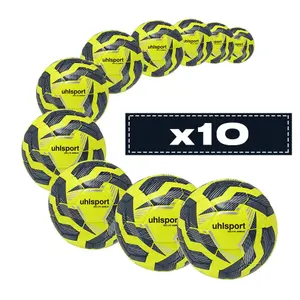
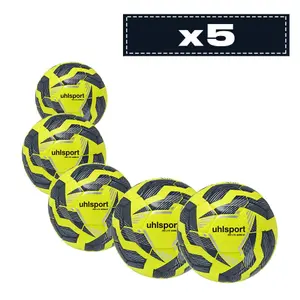
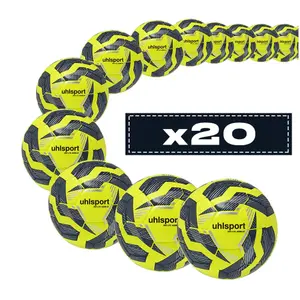

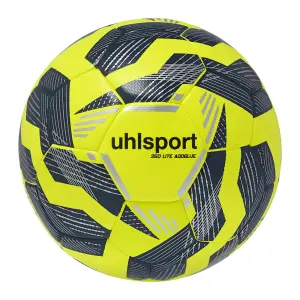
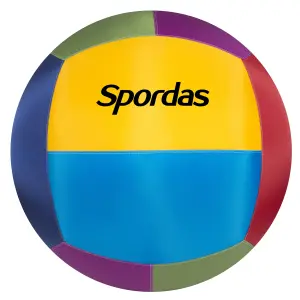
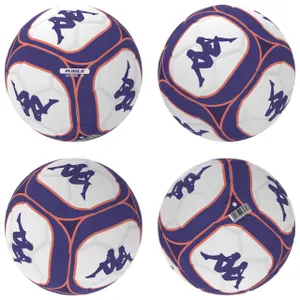
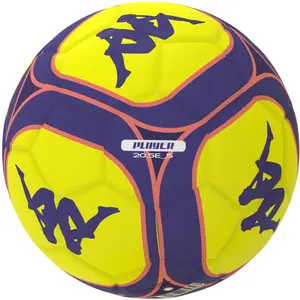
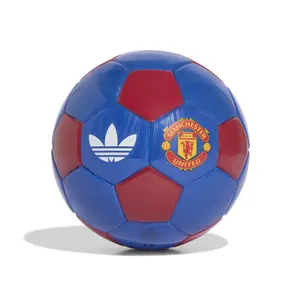
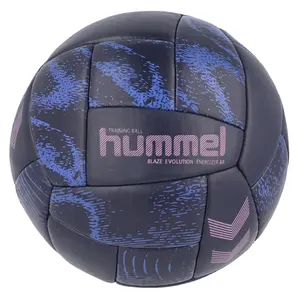
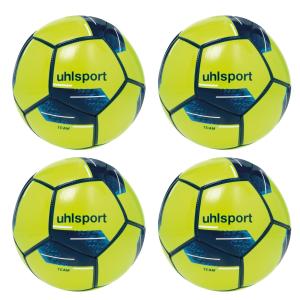
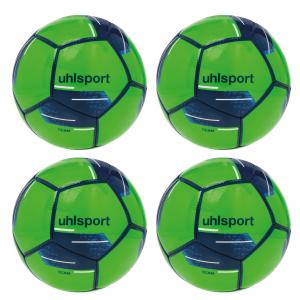


Each brand builds its footballs differently, using its own materials, surface technologies, and ranges dedicated to competition or training. Discover the models from Nike, adidas, Puma, Uhlsport, Givova, and Hummel sorted by brand to compare the features and choose the ball suited to your needs.
How to choose a football according to the brand?
The choice of a football mainly depends on your use: official match, regular training or casual play. Major brands like Nike and adidas develop competition balls that are officially approved, often used in clubs, while other ranges are designed for more everyday use, with materials that are more resistant to wear and tear. Uhlsport, for instance, is particularly known for goalkeeper and technical training balls. Comparing brands allows you to spot the differences in construction, grip, and durability before making your choice.
Nike, adidas, Puma: the football brands available at Foot-Store
Foot-Store offers several brands of footballs, which you can check separately to compare their ranges:
- The Nike balls, a brand known for its match and training balls with a surface designed for accurate striking.
- The adidas balls, associated with official competitions and comprehensive ranges for all levels of play.
- The Puma balls, which provide a good balance between technical features and regular use.
- The Uhlsport balls, a brand very present in balls dedicated to footwork and goalkeeper training.
- The Givova balls, an alternative for casual or amateur club use.
- The Hummel balls, found in training and match ranges with careful finishing.
What are the differences between a match ball and a training ball?
A match ball is designed to meet specific criteria for weight, circumference, and bounce, making it an approved product for competition. A training ball, on the other hand, often prioritises wear resistance and a more cost-effective option for frequent use, whether on synthetic pitches or outdoors. The surface material, whether synthetic leather or technical textile, also affects the feel of the ball and its performance in rain or on hard ground. Checking the product description for each model helps to determine which use it is actually intended for.
Replica balls, sets, and accessories: additional pages
Besides the brand classification, several pages on the site allow you to approach the purchase of a ball from another angle. You can check the Replica selection, which features balls in club and competition colours, the Ball sets page for equipping a group or club with less logistical effort, or the Accessories page to find pumps, transport bags, or suitable nets. To return to the entire catalogue, the Balls page centralises all these entries.
When to take advantage of the best offers on footballs?
The prices of footballs change regularly based on ongoing commercial operations on the site. The Black Friday page concentrates offers as this event approaches, followed by the year-end holiday seasons and then by the Winter Sales. In spring, the French Days bring a new wave of discounts, before the summer sales. You can also continuously monitor the Deals page, the Clearance equipment page or the Ball promos. For a ball ordered and received quickly, the Shipped in 24h page gathers items available within that timeframe. Finally, the return and arrival of new collections are tracked on the New Arrivals page.
Frequently asked questions
What size ball to choose according to the player's age?
The size of the ball depends on the age and playing category, from a small ball for the youngest to the size 5 ball used in eleven-a-side football from adolescence onwards. Referring to the size indicated on each product page helps avoid making the wrong choice. A ball that is too big or too small hinders technique and comfort in play.
Is a branded ball always approved for competition?
No, not all ranges from the same brand are approved for official match use. Some models are designed solely for training or leisure, even from well-known brands like Nike or adidas. The mention of approval, when it exists, is specified in the product description.
What is the difference between balls for synthetic and natural pitches?
Balls do not fundamentally change based on the type of pitch, but their covering and resistance to abrasion can vary from model to model. A ball used regularly on synthetic surfaces wears out more quickly if its material isn't meant for that type of ground. Checking the manufacturer's guidelines on the product page remains the most reliable reference.
Can one compare balls from different brands directly on the site?
Yes, each brand has its own page, allowing you to switch from one to another to compare the ranges and the proposed uses. This brand organisation makes it easier to compare the advertised features, such as surface material or intended use.
How to know if a ball is suitable for intensive outdoor use?
A ball intended for intensive outdoor use generally mentions reinforced material or increased abrasion resistance in its description. This is often the case with training ranges rather than match balls, which are more sensitive. In case of doubt, the product page specifies the recommended use by the manufacturer.