Football balloon accessories
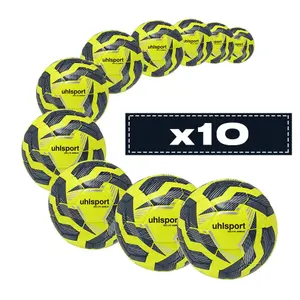
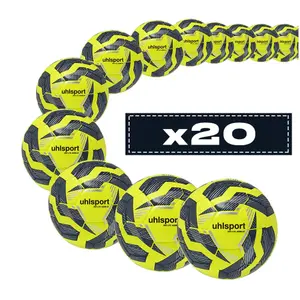
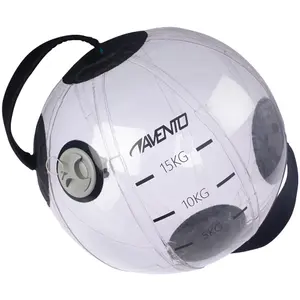
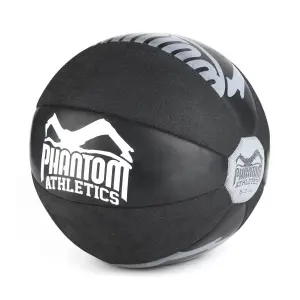

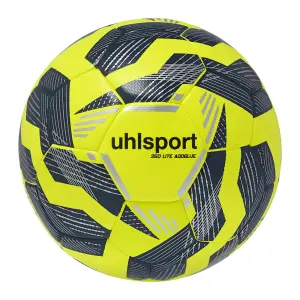
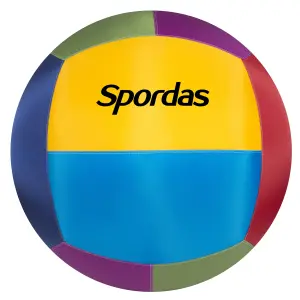
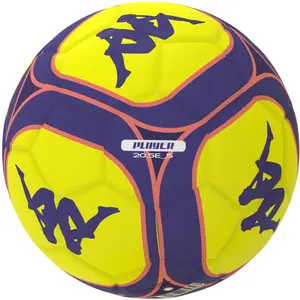
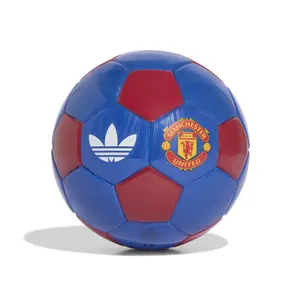
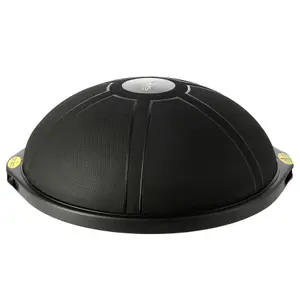
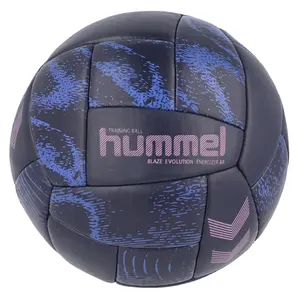
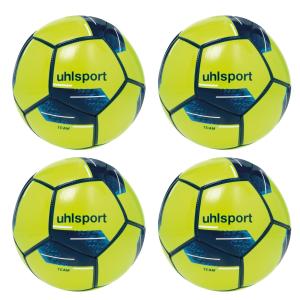
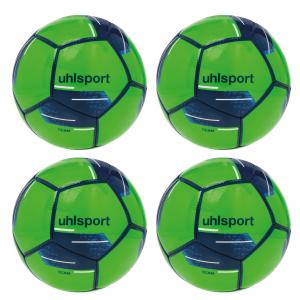


Football ball accessories include everything used to inflate, transport, and store your balls: pumps, inflation needles, nets and bags, trolleys, ball holders, and storage racks. It's the equipment that prolongs the lifespan of a ball and saves you time before each training session.
You can also find balls from other sports, from handball to rugby, as well as player and referee accessories like armbands, headbands, shin guard straps, and socks.
What is a football accessory
A football accessory is a product that isn't played with but helps to use a ball in good conditions: a pump with its needle to inflate it to the right pressure, a net or a bag to carry it, a trolley or a rack to store several balls at the club. These products don't need to be replaced as often as the balls themselves: a well-maintained pump and a metal rack can last several seasons, while a training ball wears out.
This selection includes three categories. The first is focused on inflating and storing balls. The second includes balls for other team sports, catering to multi-sport clubs and schools that equip themselves in one place. The third covers small accessories worn by players and referees.
Pumps, needles, storage: the accessory selection pages
Accessories are divided into two pages, depending on what you are looking for:
- The pumps and needles, for inflating a new ball and maintaining the pressure that drops over weeks. You will find hand pumps, foot pumps, and spare needles that can easily get lost or bent.
- The storage options, for transporting and storing multiple balls: nets, bags, ball holders, trolleys, and storage racks intended for clubs and educators.
If you are primarily looking for the ball itself, the football page combines the entire catalogue. Next to it, the ball lots cater to clubs purchasing in bulk, the replica selection gathers balls in club and competition colours, the brands page allows filtering by manufacturer, and the ball promotions feature discounted models available at the moment.
Which pump to choose for a football
The choice mainly depends on the number of balls to inflate. A handheld pump fits into a sports bag and is sufficient for a player who adjusts their ball's pressure before a session. A foot pump, being bulkier, pushes more air with each stroke and is less tiring: this is the one educators typically use to prepare about ten balls before training.
Check two points before ordering. First, the needle: it screws onto the tip and is the piece that breaks or gets lost, so having spare needles avoids getting stuck at the edge of the field. Then the hose: a flexible tube prevents excessive force on the ball's valve, while a rigid tip can damage it if the ball moves during inflation.
A tip valid for all pumps: moisten the needle before inserting it into the valve. A dry needle can catch on the inner membrane and end up tearing it, making the ball impossible to inflate.
How to store and transport multiple balls
To move several balls, the net and the bag remain the simplest solutions: light and foldable, they can be carried over the shoulder or tossed into a trunk. The net has the advantage of allowing air circulation, which helps the balls dry after a session on wet ground.
For a club, a storage trolley changes daily routines. It rolls from the storage room to the pitch without anyone needing to make several trips, and it also serves as a storage point between sessions. The storage rack, on the other hand, is fixed: it stacks balls vertically in a changing room or equipment room, preventing them from being left on the floor.
The individual ball holder is aimed more at the player: it’s a support or strap that allows one ball to be carried without having it in hand. Useful for getting to the pitch by bike or on foot when already carrying a full bag.
Armbands, headbands, straps: the on-field accessories
This selection also contains accessories worn by players during matches. The captain's armband, whether elastic or Velcro, is chosen based on the circumference of the arm and the sturdiness of the closure, as a slipping armband can get lost during play. The headband keeps hair in place and absorbs sweat, and the straps for shin guards serve to hold the pads in place under the socks, where players used to apply adhesive tape.
Referee accessories follow the same usage logic: these are the small items needed to officiate a match, from the official's side rather than the player's.
Handball, rugby, basketballs: other sports in the selection
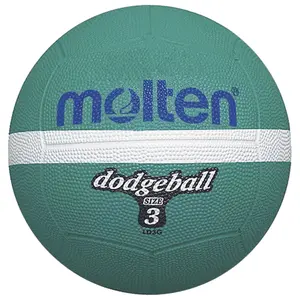
The accessory selection also includes balls for other team sports: handball, volleyball, beach-volleyball, basketball, rugby, water polo, and American football. They are grouped here because most buyers looking for them are multi-sport clubs, associations, or educational institutions that order in one go, along with the associated pumps and storage options.
The inflation and storage equipment is largely interchangeable: a standard valve pump can inflate a football as well as a handball or basketball, and a trolley can accommodate both. Only the sizes of the balls and the oval shape of the rugby ball require checking the rack's capacity before purchasing.
Where to find ball accessories on sale
Accessories regularly appear on the permanent commercial pages of the site, which stay in the same place all year round. The good deals page gathers current offers, the clearance equipment sells off end-of-line items and references that are leaving the catalogue, and the equipment sales happen during legal periods. The special offers page and the general clearance complement these pages for the rest of the catalogue.
In the order of the calendar, the Black Friday is the first key date to watch for, followed by the end-of-year holidays, then the winter sales and the French Days in spring. These are the times when it is most beneficial to complete club equipment rather than buying piece by piece during the season.
Two other pages help with decision-making. The new equipment page shows what has just entered the catalogue, and the 24-hour shipping articles are useful when a pump or needle is missing before the weekend.
Frequently asked questions
What pressure should a football be inflated to?
The recommended pressure is indicated directly on the ball, next to the valve, and it varies by model and size. It’s best to stick to this rather than relying on feel: an over-inflated ball becomes hard and bounces poorly, while an under-inflated ball deforms and gets damaged with each kick. A built-in manometer on the pump allows you to check the value instead of estimating it.
Are pump needles all interchangeable?
Inflation needles follow a common threading, making most of them interchangeable between pumps. However, it’s safer to verify the diameter and type of threading indicated on the product sheet before ordering. Some brand pumps come with a specific needle that is better replaced with one from the same family.
Should balls be deflated for winter?
Partially deflating balls stored for several months reduces the tension on the bladder and seams. It’s not about completely emptying them, but letting out a bit of pressure before storing them in a dry place protected from freezing. The cold naturally lowers pressure, so checking at the start of the season is always useful.
Which storage option to choose for a club over a trolley?
A trolley is designed to be moved: it’s suitable for educators who take the balls from storage to the pitch for every session. A fixed rack generally costs less and is sufficient if the balls are kept in the same place and taken by hand. Many clubs combine the two, with a rack in the changing room and a trolley for training.
Can a deflating ball be repaired?
A ball that slowly loses air often has a clogged or perforated valve from a dry needle, and a few drops of silicone oil in the valve may sometimes restore airtightness. If the leak comes from the bladder or an open seam, the repair is not durable, and the ball needs to be replaced. This is why maintaining the needle and adhering to the pressure is just as important as the quality of the ball.