Footballs: choosing the right size and playing level
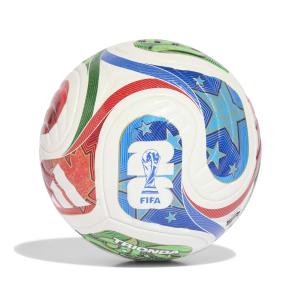


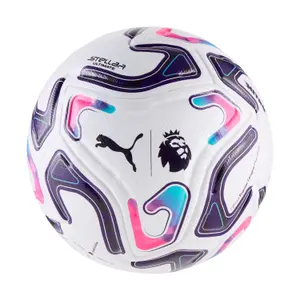
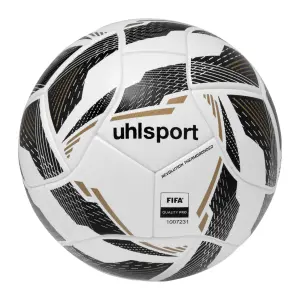
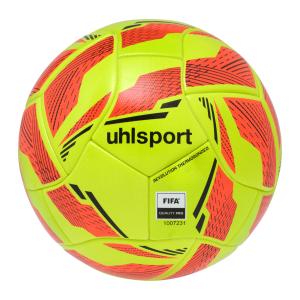
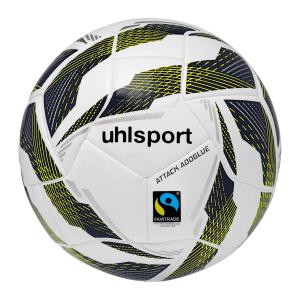

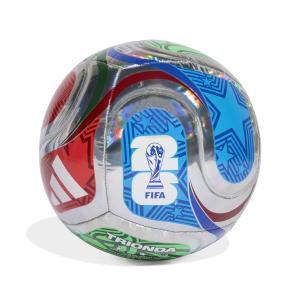
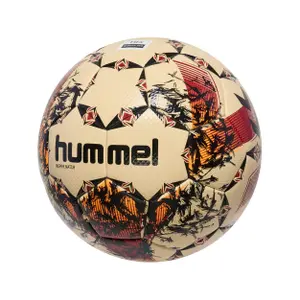
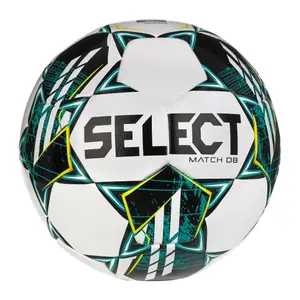


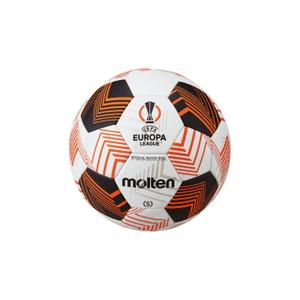
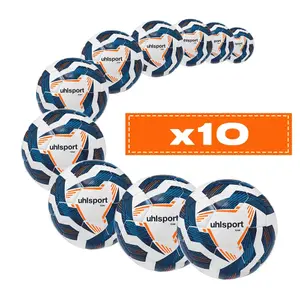
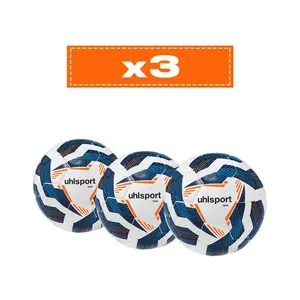
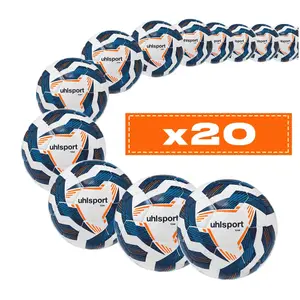
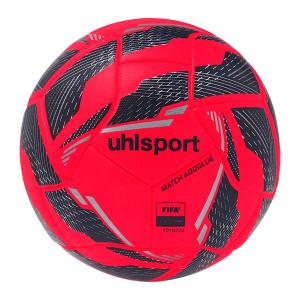
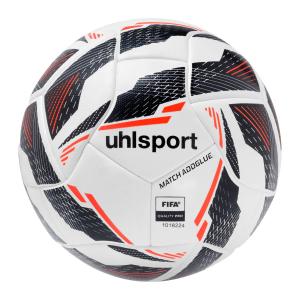
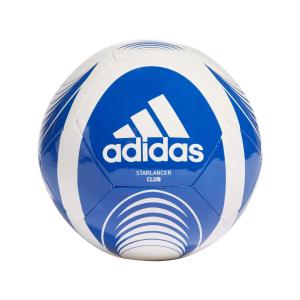
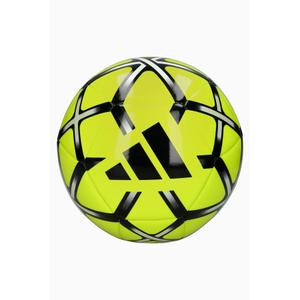
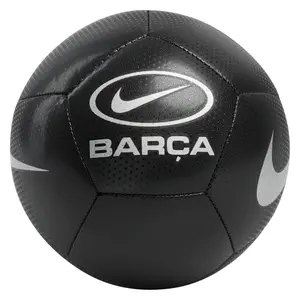
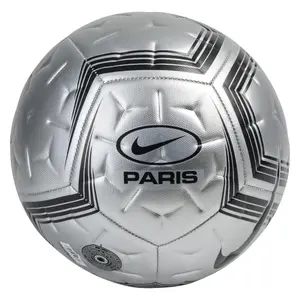
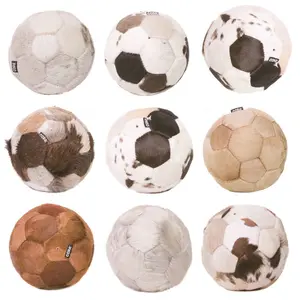
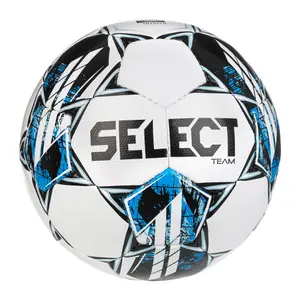
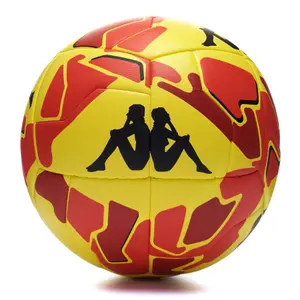
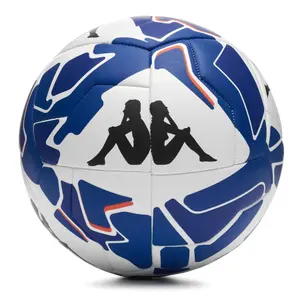
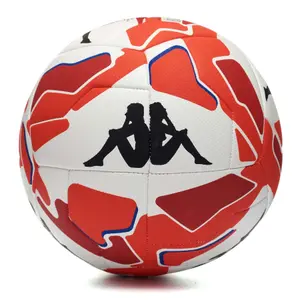
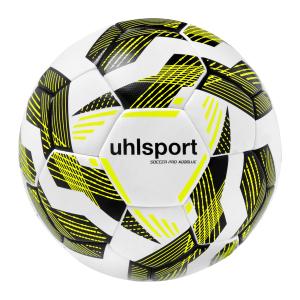
A football shouldn't just be chosen for its look: the size and the level of play make all the difference between a club session and a game with friends. This selection features the new season's footballs adidas.
You can find individual balls, packs for a group, and things to inflate them.
Which football should you choose for your game?
The right football is the one that suits how you use it: official matches, regular training or a casual kickabout on a five-a-side pitch. A match ball is bonded, flies more consistently and costs more to replace, so it’s a poor choice for kicking against a wall every day. A training ball is usually machine-stitched and made to withstand hundreds of kicks and abrasive surfaces such as artificial turf or tarmac. A leisure ball prioritises durability and value for money: it’s the one that gets left in the boot or in the garden.
There are two useful markers on the ball itself. FIFA Quality Pro means it has passed the most demanding tests (shape, bounce, pressure retention and water resistance) and is found on competition balls. FIFA Quality covers slightly less strict tests and is more than good enough for training and most amateur leagues. If your club requires an approved ball, check which of the two marks the competition rules call for before ordering.
What size football should you get?
Choose a football size based on the player’s age and the playing surface, not their build. Size 5 is the adult size, used from the U13 age group up to senior level, in matches and training. Size 4 is for the age groups in between, generally U8 to U12, and is also the standard for futsal, where the ball is weighted to reduce its bounce. Size 3 is for younger children, helping them learn ball control with a lighter ball.
There are two special cases. Mini balls, often classed as size 1, aren’t for playing matches: they’re used to work on touch in a small space, or kept as a collector’s item when they feature the design of a major competition. And if you’re buying for a child who moves up an age group during the season, choose the size for the group they’ll be in when the new season starts: a ball that’s too big can throw off their footwork and shooting technique.
Trionda 26: what is the 2026 World Cup ball?
The Trionda is the official ball of the 2026 World Cup, designed by adidas for a tournament hosted for the first time by three countries: Canada, the United States and Mexico. Its name combines the prefix “tri-” with the Spanish word “onda”, the wave, meaning “three waves” and referring to the three host countries. It was unveiled in October 2025 and stands out for its construction from just four panels, the fewest ever used for a World Cup ball.
In practical terms, fewer panels mean fewer joins between the parts of the ball, which is intended to create a more even surface and more stable flight. The match version also includes a motion sensor, already used at previous tournaments to support refereeing decisions. If you’re looking for a ball to mark the 2026/27 season, this is the design you’ll see on pitches, in the stands and in gardens.
Pro, Competition, League, Training, Club: how does the Trionda range work?
adidas offers the Trionda at several levels. They share the same design, but have different constructions and uses. Here’s how they compare:
- Trionda Pro: the official match ball for the competition, used by professional players. It is bonded and certified to the highest testing standard.
- Trionda Competition: designed for club-level matches, with stable flight. It’s aimed at official fixtures without the price tag of a professional ball.
- Trionda League: a middle ground for training and matches, focused on ball control and approved to FIFA Quality standards.
- Trionda Training: machine-stitched and built to last, this is the ball for regular training sessions and technical drills.
- Trionda Club: an all-round everyday ball for the park, the street or the beach.
- Trionda Mini: the smaller version, for working on touch or for collecting.
Not all these levels are available on the page all the time: availability changes throughout the season and as new stock arrives. The size and range filters at the top of the page are the quickest way to see what’s available when you visit.
Sets, accessories and branded balls: which pages should you visit?
The ball selection is split into more specific pages, depending on what you’re looking for:
- Balls by brand, if you already have a preferred manufacturer.
- Replica balls, featuring the designs of competition balls in a construction made for everyday play.
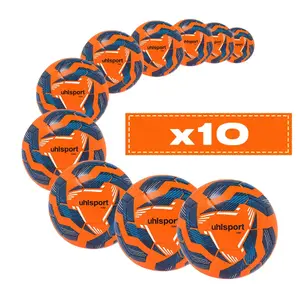
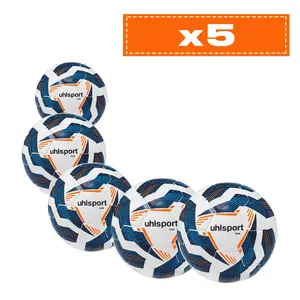
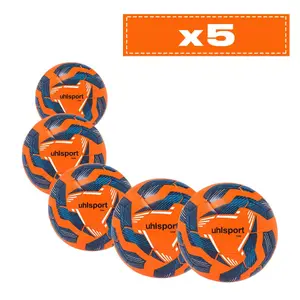
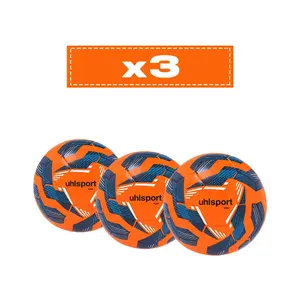
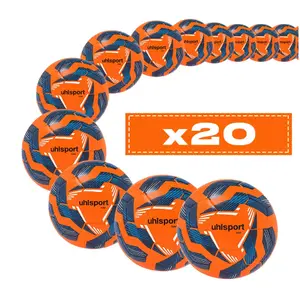
- Ball sets, the page to visit if you need several identical balls for a team or football school.
- Ball accessories, including everything you need to inflate, carry and store your balls: pumps, needles, nets and bags.
- Football deals, if your main priority is your budget rather than a particular model.
A ball is often just one part of your training kit. You can browse all football equipment, or take a look at shin pads, bags for carrying everything, training accessories, referee equipment and first aid supplies for after the match. There are also dedicated pages for new equipment and items dispatched within 24 hours.
Where can you find a cheap football on Foot-Store?
Reduced-price balls are grouped on permanent offers pages, which are worth checking directly rather than browsing the whole catalogue. Football special offers cover this selection only, while equipment deals cover all equipment. More broadly, the Special Offers page brings together current promotions, clearance covers end-of-line stock, with a dedicated equipment clearance page, and the site’s special offers work in the same way.
Timing matters just as much as the page you visit. Black Friday is the first major sale period to look out for, followed by the Christmas and New Year period, when balls are quick to sell as gifts. Next come the winter sales, with a dedicated equipment sale page, then the spring French Days. There are two other good times to look for a particular ball: the end of the season, when this year’s models make way for the next ones, and the launch of a new collection, announced on the new arrivals page. If you’re in a hurry, the dispatched within 24 hours page filters for items ready to ship.
How do you inflate and care for your football?
Inflate a ball to the pressure shown on its bladder, printed next to the valve and measured in bars or PSI, rather than judging it by feel. Slightly dampen the needle before inserting it into the valve: if it’s dry, it can damage the inner valve channel and the ball may slowly deflate on its own. An underinflated ball makes passes feel soft and puts strain on your ankle, while an overinflated ball is harder to control and wears out faster around the seams.
To care for your ball, wipe off mud and sand after a session instead of letting them dry, and avoid machine washing or leaving it in the sun for long periods, as both can weaken the surface. At the end of the season, let some of the air out and store it away from frost and heat. Pumps, spare needles and carry nets are available in ball accessories.
Frequently asked questions
Can you use the 2026 World Cup ball in a club match?
Yes, as long as you choose the right version in the range. Balls marked FIFA Quality Pro or FIFA Quality meet approval testing standards and are accepted in competitions that require them, but each federation and competition sets its own rules. It’s best to check with your club which mark is required for official matches before buying.
What’s the difference between a bonded ball and a stitched ball?
A bonded ball has panels joined using heat, with no visible stitching. This helps keep water out and gives the ball a smoother surface, making it the standard construction for match balls. A machine-stitched ball costs less and stands up well to repeated kicks, making it suitable for training and casual play. For everyday use on tarmac or artificial turf, a machine-stitched ball is often the more durable choice.
Do you need a specific ball for futsal or indoor football?
Yes. A futsal ball isn’t just a smaller 11-a-side football. It’s usually size 4 and weighted to bounce much less, which helps keep it on the ground on a wooden court or other hard surface. Using an outdoor football indoors makes the game hard to control, and the same goes for using an indoor ball outside.
Should you get a size 4 or size 5 ball for an eight-year-old?
Size 4 is for the U8 to U12 age groups and is the right guide for an eight-year-old. Size 5 is introduced at around 13, when players’ shooting technique and playing area get bigger. Choosing a size 5 too early makes it harder to control the ball and get your footwork right, and can lead to bad shooting habits.
Is it better to buy a single ball or a set?
A set is a good option when several players need to train at the same time: a football school, a coach setting up drills or a family with several children. For individual use, one ball that suits your game is a better choice than a set of lower-level balls. The set options and available sizes are listed on the ball sets page.