Rollfinger goalkeeper gloves
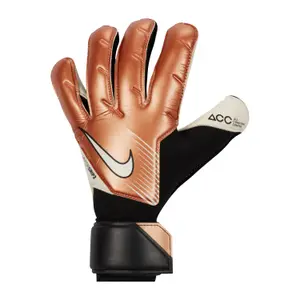
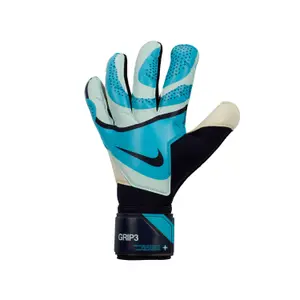
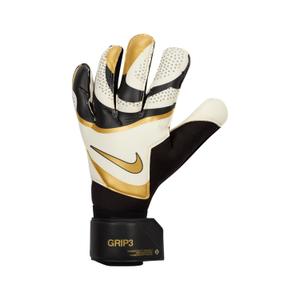


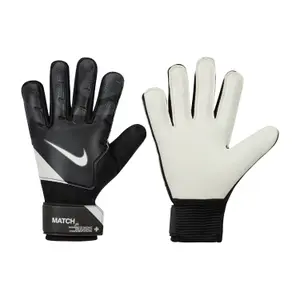


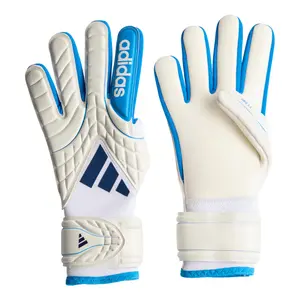

The Rollfinger goalkeeper gloves wrap the finger from the tip to the palm, with a single strip of latex that then extends over the back of the hand. This construction increases the contact surface with the ball and limits internal seams, a popular choice for airborne saves and two-handed catches.
Here you will find the Rollfinger models from the catalogue, to compare according to your size and style of play in goal.
What is a Rollfinger goalkeeper glove?
A Rollfinger glove is made from a unique latex band that completely wraps around the finger, from the tip to the palm, before extending over the back of the hand. This continuous piece eliminates internal seams that could hinder grip and increases the contact area with the ball. The result is a glove that provides a feeling of complete wrapping, often sought after by goalkeepers who prioritise grip security over wrist flexibility.
What style of play is the Rollfinger cut suitable for?
The Rollfinger cut is particularly suitable for goalkeepers who frequently come out for aerial balls and need to catch the ball with both hands rather than punching it away. The wrapping of the finger limits hyperextension during front impacts and provides reassurance when catching powerful shots with two hands. However, this design is less flexible than a negative cut for goalkeepers who prioritise a glove feeling close to bare hands and a great range of motion at the wrist.
Rollfinger, negative seams, hybrid or flat: how to tell them apart?
The catalogue classifies goalkeeper gloves by cut type, each corresponding to a different construction and feeling. You can check each page separately to compare:
- The negative seams, which pull the latex inward for a snug fit against the hand.
- The hybrid seams, a mix of different constructions on the same pair depending on the areas of the glove.
- The flat seams, the widest cut, designed for overall comfort and good air circulation.
- The selection of finger protection, gloves equipped with reinforcements or stays to limit hyperextension, an option that is also available on some Rollfinger models.
You can also browse all the types of gloves to compare all the available cuts before making your choice.
How to choose the size and material of a Rollfinger glove?
Size is determined by measuring the length of the hand and not by taking shoe size: a glove that is too big loses control over the ball, while a glove that is too small limits the range of the fingers. For the Rollfinger cut, the fit is especially important as the latex wraps around the entire finger: a poor fit is more noticeable than with a flat cut. In terms of material, the different latex weights offered in the catalogue provide varying levels of grip depending on the field conditions, to be chosen based on whether you play mainly on dry or wet surfaces.
When to take advantage of the best deals on Rollfinger gloves?
The ranges of goalkeeper gloves evolve with the release of new collections, and prices follow the significant commercial events on the site. Black Friday and the end-of-year holidays are generally the first periods to watch, followed by winter sales and the French Days in the spring. To make sure you don’t miss anything, you can directly check the Sales, Clearance, Good Deals, and Black Friday pages. If you are looking for a recent model, the new goalkeeper arrivals and the new arrivals on the site feature the latest releases, while the 24-hour dispatch page helps identify pairs available quickly and the special offers highlight limited-time promotions.
Frequently Asked Questions
Is a Rollfinger glove suitable for a beginner goalkeeper?
Yes, the Rollfinger cut remains accessible for a beginner goalkeeper, as the wrapping of the finger provides reassurance when catching the ball and limits grip errors. It simply requires a slightly longer adaptation time than a flat cut, which is less wrapping but closer to the sensations of a bare hand.
Does the Rollfinger cut perform as well as a negative glove on a synthetic pitch?
The performance depends mainly on the weight and type of latex used, not just the cut. A Rollfinger and a glove with negative seams can offer comparable grip on synthetic surfaces if they share the same palm, with the difference mainly in the feeling of wrapping at the fingers.
Why do some Rollfinger gloves have a protective stay on the back of the fingers?
These stays limit hyperextension of the fingers during a frontal impact with the ball or an opponent, a risk more present for goalkeepers who catch a lot with two hands. This option is available on some Rollfinger models and is also featured in a dedicated selection on the finger protection page.
Does a Rollfinger latex glove require special care?
The latex palm generally requires the same care regardless of the cut of the glove: avoid unnecessary abrasive surfaces, let it dry at room temperature rather than under direct heat, and slightly dampen the palm before each match to regain grip. These actions help preserve the material longer, for a Rollfinger just like for other cuts.
How to check if a Rollfinger glove is the right size?
Measure the length of your hand, from the wrist to the tip of your middle finger, then compare this measurement to the size guide of the chosen model rather than your shoe size. Once the glove is on, the fingers should reach the end of the cut without excess latex bunching, which is a sign of a glove that is too large.