Football shin guards for everyone at all levels
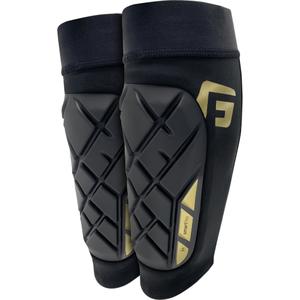
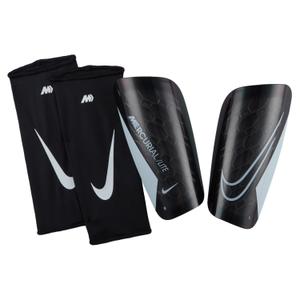
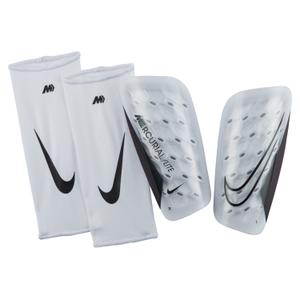
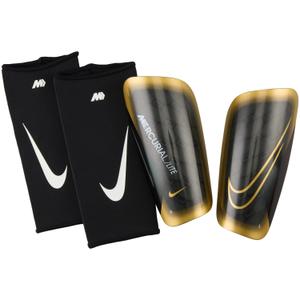
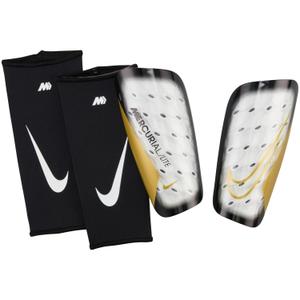
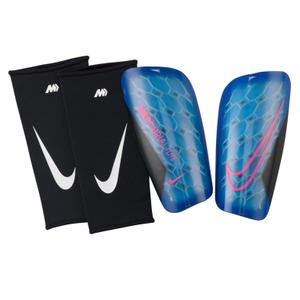
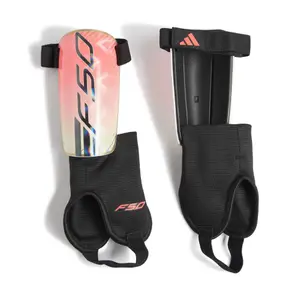
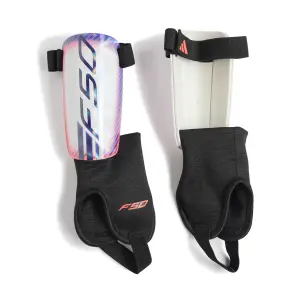
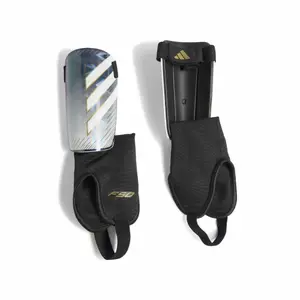
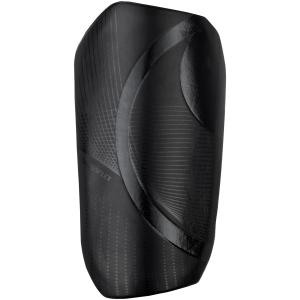
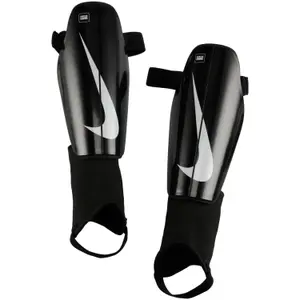
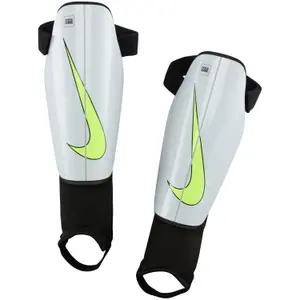
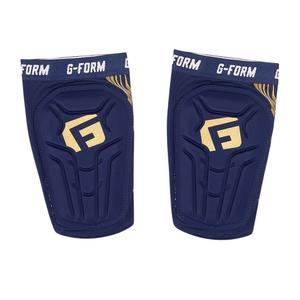
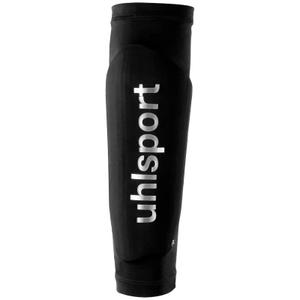
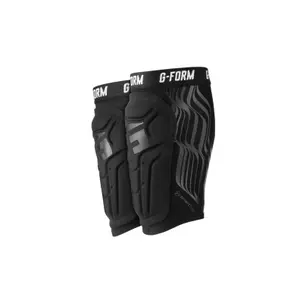
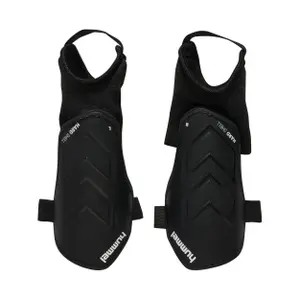
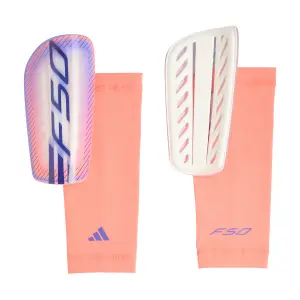
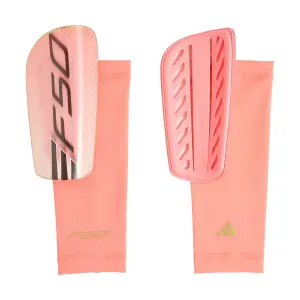
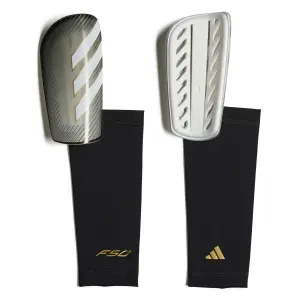
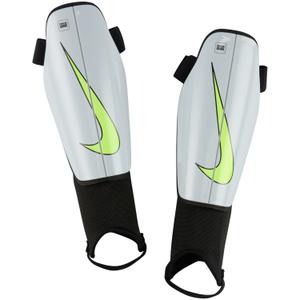
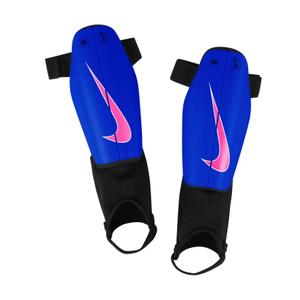
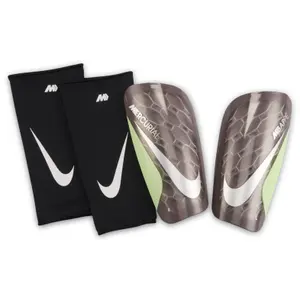
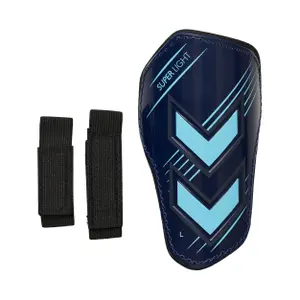
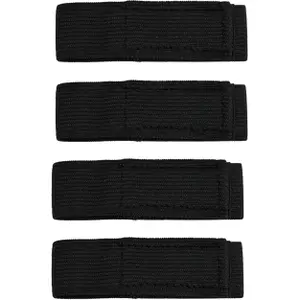
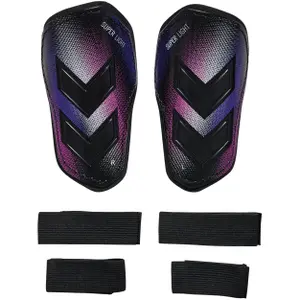
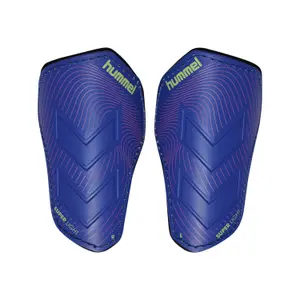
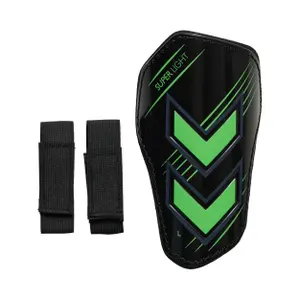
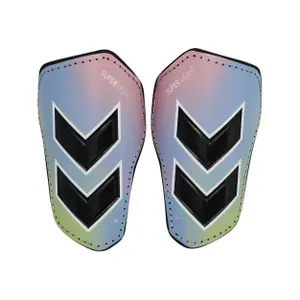
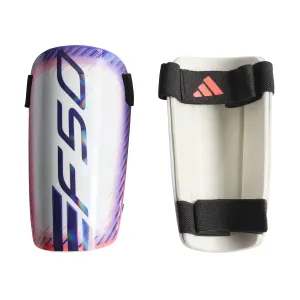
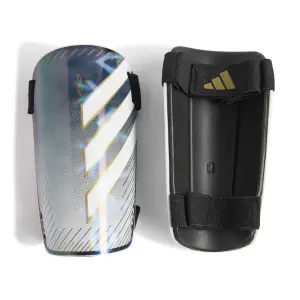
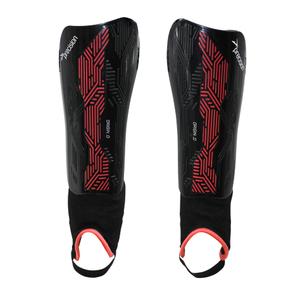
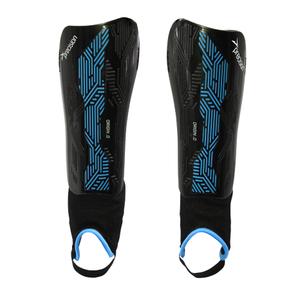
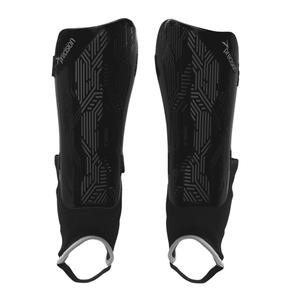
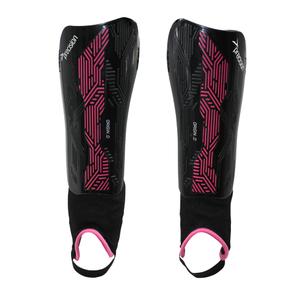
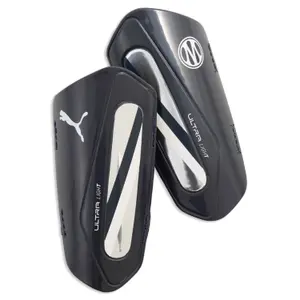
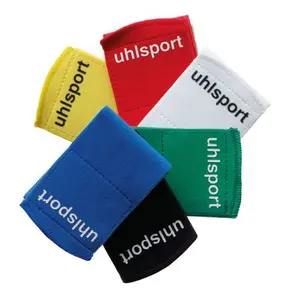
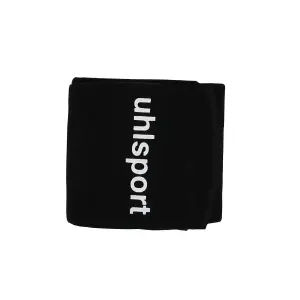
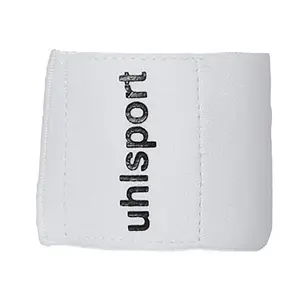
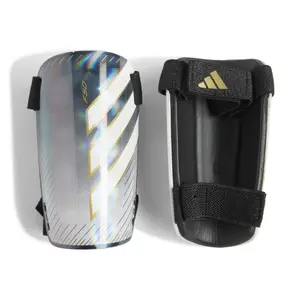
The shin guards are part of the mandatory protective equipment for playing football. Here you will find shin guards suitable for every playing style, from lightweight and discreet models to reinforced ones for heavy contact, as well as bands for shin guards to keep them in place during the match.
How to choose your football shin guards?
Choosing shin guards depends first on your position and style of play. An offensive player who values speed will look for a thin and lightweight model, like the shin guards Nike from the Mercurial Lite line, designed not to hinder running. A defender exposed to hard contacts will opt for a reinforced model, with a broader and stiffer shell. Size matters too: shin guards that are too short leave the ankle exposed, while those that are too long can interfere with leg flexion.
Children's shin guards, lightweight, reinforced: what are the differences?
Shin guards are divided into several categories depending on the level of protection needed. Lightweight, thin, and low-profile models are suitable for players who want to feel a minimum of bulk on their shins. Reinforced models, which are thicker and often have a wrap-around shell, provide more protection during tackles. Children's shin guards are tailored for smaller body types, with an easy-to-adjust fastening system. Some models also include ankle protection in addition to the shin, for players seeking more comprehensive support.
Nike, G-Form, adidas: shin guards by brand
Each brand offers its own range of shin guards, which you can check separately:
- The shin guards Nike, including the Mercurial Lite line, designed for lightweight support without hindering running.
- The shin guards G-Form, a range built around foams that harden upon impact.
- The shin guards adidas.
- The shin guards Puma.
- The shin guards Uhlsport.
- The shin guards Jako.
- The shin guards Joma.
- The shin guards Macron.
- The shin guards Erima, often associated with the same brand's support bands.
- The shin guards Errea.
Shin guard bands: what are they for?
A shin guard band is used to hold the shin guard securely against the leg, without relying on the integrated fastening system in the sock or the shin guard itself. It wraps around the calf and closes with a hook-and-loop strip. This is a useful solution if you frequently change socks or want to adjust the fit based on your feeling on the pitch.
Ankles, knees, legs: other protections for footballers
The shin guard only covers part of the body that is exposed to impacts during a match. Other pages discuss additional protections: ankle guards to stabilize a fragile joint or during recovery, knee pads for knee support, leg guards to cover a larger area than just the shin, as well as shoulder pads and elbow pads for players exposed to falls and contacts to the upper body. You can also return to the Protection page to see all these categories.
When to find the best deals on shin guards?
The site offers several permanent sections to track price drops on shin guards and other equipment. The Black Friday and the end-of-year holidays are usually the times when prices fluctuate the most, followed by the winter sales and the French Days in spring. Outside these peak times, the equipment clearance and good deals pages feature items to keep an eye on all year round. If you're looking for the latest models, the new arrivals page is updated as new items are released, and the shipped in 24h page helps you find what's going quickly if you're in a hurry.
Frequently asked questions
Are shin guards mandatory in football?
Yes, wearing shin guards is mandatory according to the rules set by IFAB, both in official matches and during supervised training. An referee can refuse entry to the field for a player without this protection.
How do I know if a shin guard is the right size?
A well-fitting shin guard covers the area from below the knee to above the ankle, without leaving any part of the shin exposed. Manufacturers usually indicate a size based on the player's height, which should be checked on the product sheet before purchase.
Should I wear a band in addition to the shin guard?
It's not mandatory if the shin guard already has its own fastening system, but a band provides extra support for players who move a lot or find their shin guard unstable during play.
Are reinforced shin guards suitable for young players?
Yes, as long as you choose a size that fits the child's body shape: a reinforced model that's too big or heavy can hinder their movements rather than protect them. Children's ranges are designed to remain lightweight while adequately covering the shin.
Do shin guards also protect the ankle?
Some models include an extended protection for the ankle, but this is not always the case. If you're looking for specific protection for that joint, the ankle guards page offers specific solutions.