Football shoulder pads: support and protection
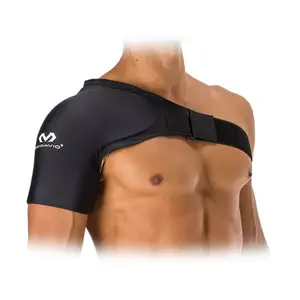
Find on this page the football shoulder pads designed to protect and support the shoulder during matches and training sessions. Some combine joint support with cold therapy, helpful after a knock or discomfort in the shoulder.
What is a football shoulder pad for?
A football shoulder pad is used to protect and support the shoulder joint during contact situations, falls, or impacts with the ground. It complements other protective gear worn by players, such as shin guards or knee pads, to cover a particularly stressed area of the body for goalkeepers and during duels.
Support shoulder pad or therapy shoulder pad: what's the difference?
The support shoulder pad wraps around the shoulder to stabilize the joint during activity, especially after any discomfort or weakness has already been experienced. The therapy shoulder pad, like the McDavid Flex Ice available on this page, includes a cold function used during recovery, after a match or training, to soothe an area that has been stressed or slightly injured.
How to choose your football shoulder pad?
Choosing a shoulder pad primarily depends on the intended use: preventative support during play, or recovery after a training session or match. Also, check that the size fits your body shape: a pad that's too loose loses its support effect, and a pad that's too tight can restrict movement in the arm and shoulder.
Ankles, knees, legs: other protections for football
Shoulder pads are part of a set of protective gear that you can consult separately according to the body area needing protection:
- Ankle braces, to stabilize and support the ankle.
- Knee pads, to protect and support the knee.
- Leg pads, to cover the entire leg.
- Elbow pads, to protect the elbow during falls and contact.
- Shin guards, essential for protecting the shin during tackles.
Find all these protections on the Protection page.
Where to find good deals on football shoulder pads?
Several permanent sections of the site allow you to keep track of current promotions on football equipment, including shoulder pads. Keep an eye out especially during Black Friday, the end-of-year holidays, winter sales, or the French Days in spring, times when prices often change.
You can also check the Equipment Sales, Equipment Clearance, the new arrivals with each collection, or the items shipped in 24h if you need a protection quickly. The Sales, Clearance, Good Deals, and Special Offers pages cover the entire catalog.
Frequently asked questions
Is it necessary to wear a shoulder pad for playing amateur football?
It is not mandatory in amateur regulations, but it is a useful choice for goalkeepers and players who are returning after shoulder discomfort. Many players adopt it mainly as a preventative measure, especially on hard surfaces or during physical matches.
Can a shoulder pad be worn under the shirt?
Yes, support shoulder pads are designed to remain discreet under the shirt, provided you choose the right size. A well-fitted shoulder pad should not create visible creases or restrict arm movement during play.
Does a cold shoulder pad replace medical advice?
No, a therapy shoulder pad like the McDavid Flex Ice helps relieve an area after an impact, but it does not replace a diagnosis. If pain persists or there is significant discomfort, consulting a healthcare professional is necessary before resuming training.
How to maintain a football shoulder pad?
The fabric part is usually hand-washed or washed at low temperatures, and should be laid flat to dry to avoid distorting the elastic. For a shoulder pad with a cold function, avoid any direct heat source on the gel part to preserve its effectiveness over time.
Is a football shoulder pad suitable for other contact sports?
The principle of support or therapy with cold is not exclusive to football and can be suitable for other contact sports with similar shoulder stress. The key is to check the size and the level of support needed rather than the sport being played.