Goalkeeper gloves Nike: how to choose them well
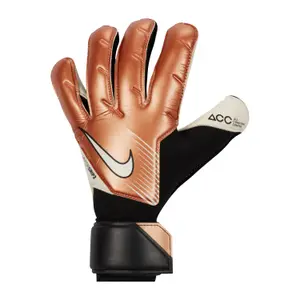
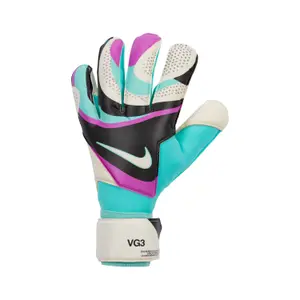
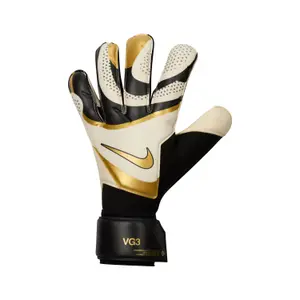
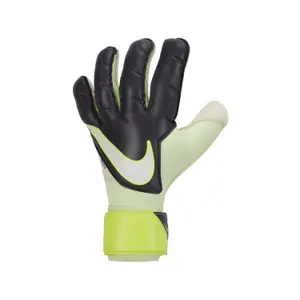
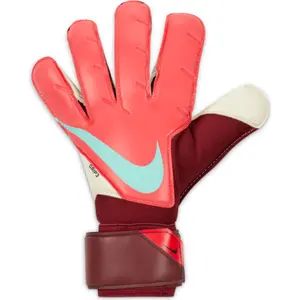
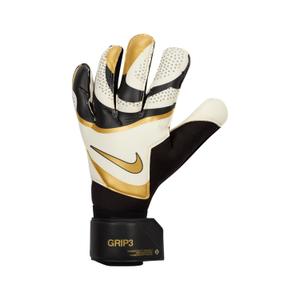
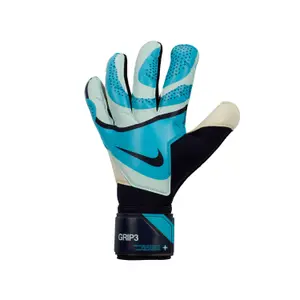

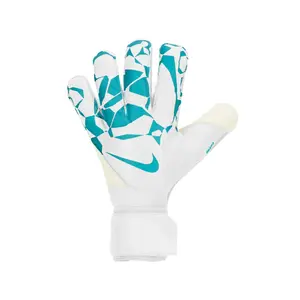


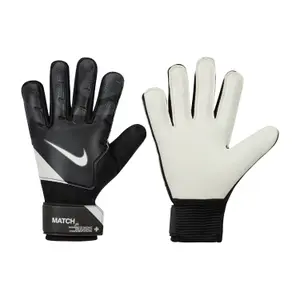
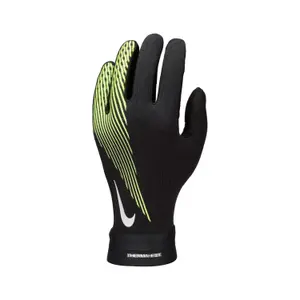
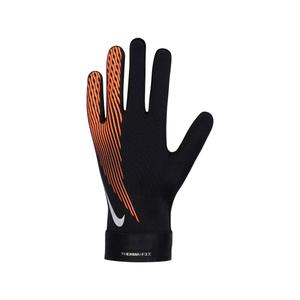
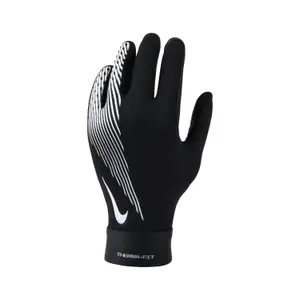
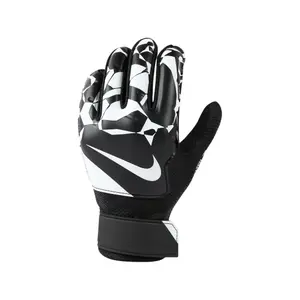
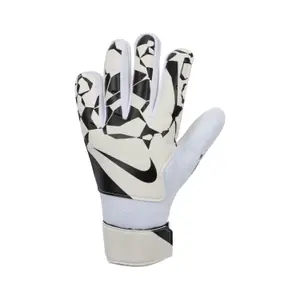
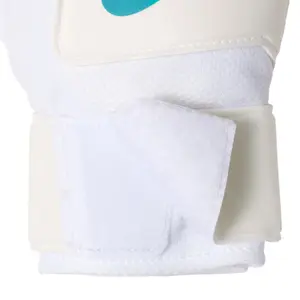


The goalkeeper gloves Nike gathered on this page cover the needs of the goalkeeper, from Wednesday training to weekend matches, in both children's and adult sizes. You will find the cuts and foams offered by the brand, with models designed for grip, cushioning, and wrist support.
If you want to compare with other brands before choosing, the goalkeeper gloves page brings together all the models.
Which goalkeeper gloves Nike should you choose based on your playing level?
The choice of a goalkeeper glove Nike mainly depends on how often you play and the type of pitch you play on. Nike organizes its goalkeeper gloves into several lines, from the most advanced match models to entry-level versions, including intermediate versions designed for regular training. If you are new to the position, a simple, soft, and comfortable glove is more than enough: you mainly need a bit of grip and decent cushioning to build confidence with struck balls. If you play in a club every week, a higher-end model offers a stickier palm foam and firmer support, but it also wears out faster on abrasive surfaces. A good rule of thumb is to keep one pair for training and one for matches, rather than wearing out your best glove on synthetic pitches during the week.
How to find your goalkeeper glove size?
The size of a goalkeeper glove is measured by wrapping a tape around the palm, just below the fingers, then adding about a centimetre to get the glove size. Goalkeeper sizes are usually numbered, generally from 3 to 4 for children up to 10 or 11 for adults with larger hands. A glove that is too short compresses the tips of the fingers and limits hand opening, while a glove that is too long wrinkles in the palm and reduces contact with the ball. The correct fit is that the tips of the fingers should lightly touch the end of the glove without being squashed, and the wrist closure should hold without cutting off circulation.
Negative cut, flat cut, hybrid cut: what's the difference for a goalkeeper?
The cut refers to the way the seams join the palm and fingers, and it’s this that gives the feeling of a tight or loose glove. The negative cut places the seams inside the glove: the palm closely fits the hand, and contact with the ball is direct, which is preferred by many accustomed goalkeepers. The flat cut, with visible seams, offers a wider and more forgiving palm, useful when you’re looking for more surface area for contact or when you're torn between two sizes. Rolled and hybrid cuts mix these elements to wrap the fingers while maintaining some volume in the palm. None is better than the other: it is chosen based on feel, and switching cuts may require a few sessions to adapt.
Goalkeeper gloves Nike for training or for matches: what should you look for?
The difference between a training glove and a match glove mainly lies in the palm foam and its resistance to abrasion. A very sticky foam grips the ball better, especially in wet weather, but it wears out quickly on hard ground or old synthetic grass. For repeated sessions, a glove with denser, thicker latex lasts longer and properly cushions strikes. For matches, you prioritise grip and touch sensitivity, accepting a shorter lifespan. Some pairs include reinforced backhand or longer wrist straps, which are handy if you want a secure fit for aerial challenges.
Are there Nike goalkeeper gloves for kids?
Yes, Nike goalkeeper gloves come in children's and junior sizes, with intentionally simple constructions. For these models, the goal is not maximum performance but ease of use: a soft palm, an easy-to-adjust closure that can be managed solo in the changing room, and foam that protects the fingers during strikes. For a young goalkeeper who is growing fast, it’s better to get the right size rather than a larger size that lasts, as a loose glove causes missed balls and discouragement. Also, check for finger protections, which some young goalkeepers appreciate while others find too rigid.
How to take care of your goalkeeper gloves to make them last?
A goalkeeper glove lasts longer if rinsed in lukewarm water after each use, hand-squeezed without twisting, and dried flat, away from any source of heat. The latex palm deteriorates if it's left dirty, becomes balled up in the bottom of the bag, or is exposed to sunlight and radiators. Slightly moistening the palm before going on the field also helps to regain some grip on dry and dusty surfaces. For dedicated cleaning and care products, the page maintenance of gloves covers what’s used for washing and preserving foams.
Uhlsport, Reusch, adidas: other goalkeeper glove brands
Nike isn't the only brand equipping goalkeepers, and comparing various cuts before purchasing is the best way to find yours. Each brand has its own pages that you can check separately:
- The Uhlsport gloves, a brand specializing in goalkeeping that offers a wide choice of cuts and foams, from beginner to match.
- The Reusch gloves, another reference dedicated to the position, with models available by grip type and level.
- The adidas gloves, a good option if you want to stick with a mainstream brand and match your gloves to the rest of your gear.
- The Puma gloves, a useful alternative when you’re looking for a different feel in the palm at a similar level.
- The T1TAN gloves, a recent brand focused on the goalkeeper and their accessories.
- The HO Soccer gloves, a specialist brand appreciated by goalkeepers who like enveloping cuts.
- The Select gloves and the Erima gloves, to check out for plain training and match models.
- The Joma, Macron, and Errea gloves, often chosen by clubs that dress their goalkeepers in the same brand as their kits.
To sweep through all the brands at once, head back to the goalkeeper gloves page.
Where to find Nike goalkeeper gloves at the best time?
Nike goalkeeper gloves regularly feature in the commercial sections of the site, and this is where to look if budget is a concern. The good deals and clearance sections gather end-of-line models, often last season’s colours sold alongside new versions. The special offers change weekly, and the 24-hour shipping page is the most useful when you need to replace a pair before the next match.
On the calendar side, the events follow this order: Black Friday, then the end-of-year holidays, then the winter sales, followed by the French Days of spring. The comeback and arrival of the 2026/27 collections are another good time to keep an eye on: that’s when the ranges get renewed, on the goalkeeper news page for the position, and on the new items page for the rest of the equipment.
Frequently asked questions
Should I size up for goalkeeper gloves?
No, a goalkeeper glove should fit just right, with a few millimetres in front of the fingers at most. Sizing up creates empty space in the palm, causing the ball to slip and the foam to wrinkle. The only exception concerns negative cuts, which are very snug: if you're between sizes in this type of cut, the larger size is often more comfortable.
Are finger protections useful for an amateur goalkeeper?
Protective stays limit hyperextension of the fingers backward, which offers reassurance after a sprain or a bad catch. However, they can make the hand stiffer and hinder one-handed catching, so they aren’t for everyone. Some models have removable stays, which is helpful if you want to try both configurations with the same pair.
How long should you keep goalkeeper gloves before changing them?
There’s no fixed duration: latex wears out depending on play frequency, the nature of the pitch, and maintenance. The most reliable sign is a loss of grip when the ball starts to slide on a smooth or cracked palm, even after cleaning. On synthetic pitches, wear occurs quicker, hence the importance of saving your best pair for matches.
Can you wash goalkeeper gloves in the machine?
The machine is not recommended: the drum and spin cycle damage the latex and seams of the palm. Hand rinsing in lukewarm water, possibly with a mild soap or dedicated product, is sufficient in most cases. Drying should be done flat, glove slightly open, without a tumble dryer or radiator.
What Nike gloves should you choose for playing indoors or futsal?
Indoors, the surface is hard and abrasive, which quickly wears down the softest foams. A training glove made of dense latex, with a durable palm, thus lasts longer than a highly adhesive match glove. Also, consider a cut that allows wrist mobility, as futsal goalkeepers play a lot on the ground and use their feet.