Women's football: jerseys, shoes and gear
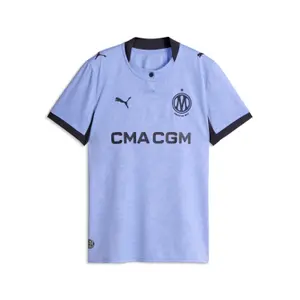
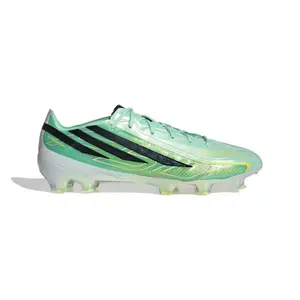
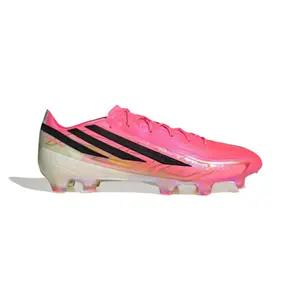
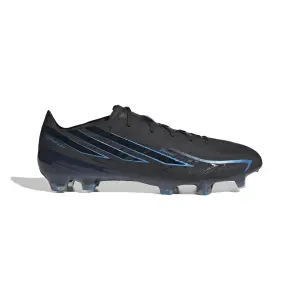
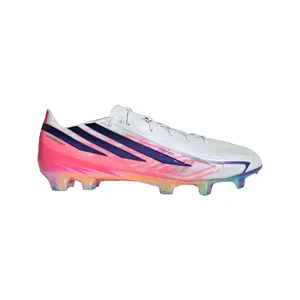
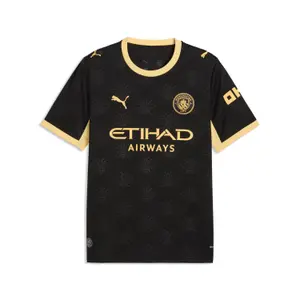
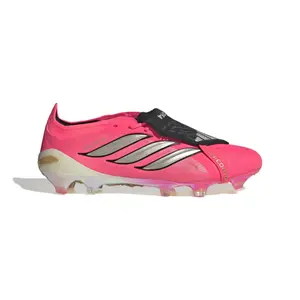
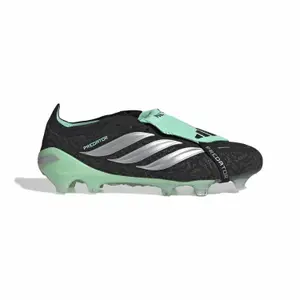
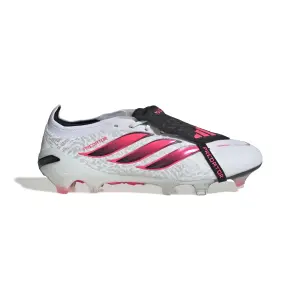
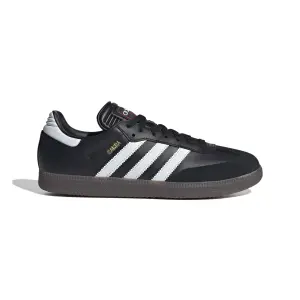
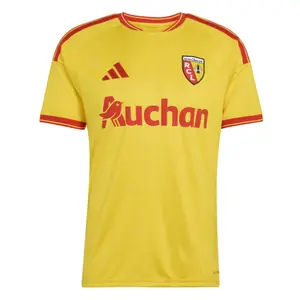
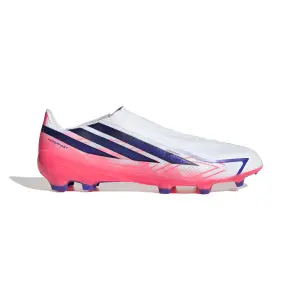
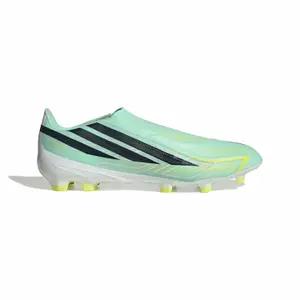
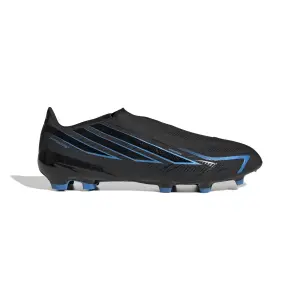
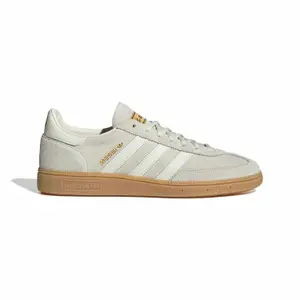
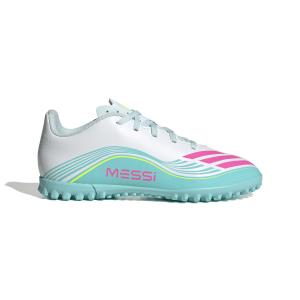
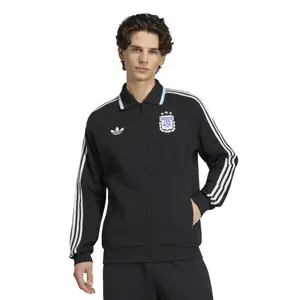
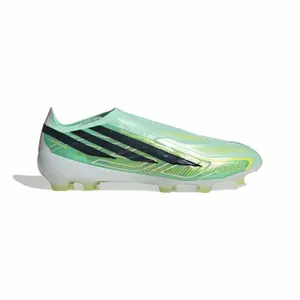
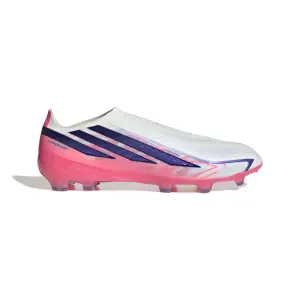
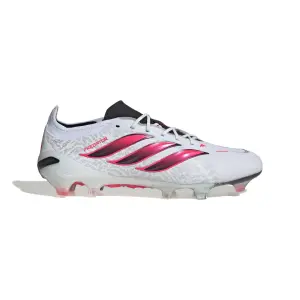
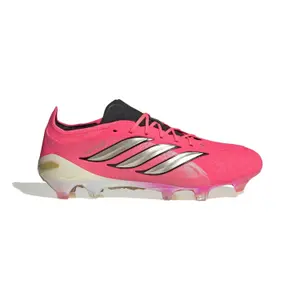
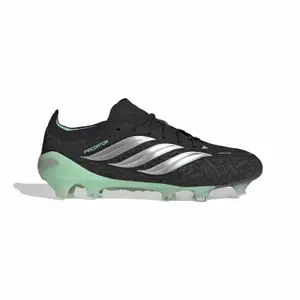
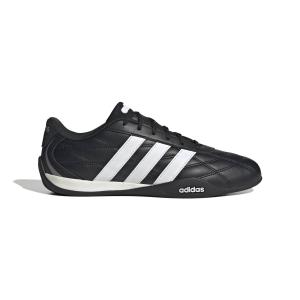
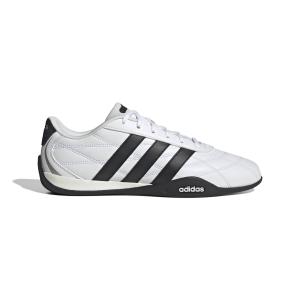
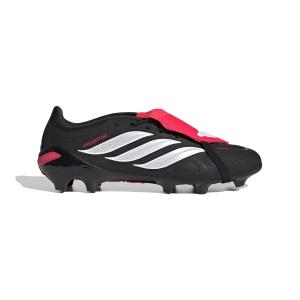
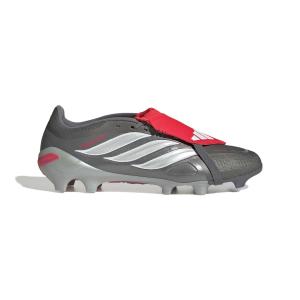
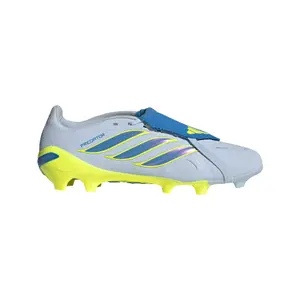
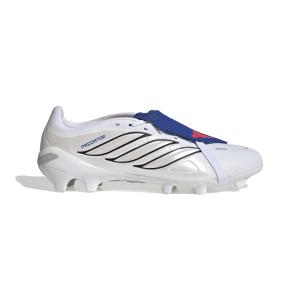
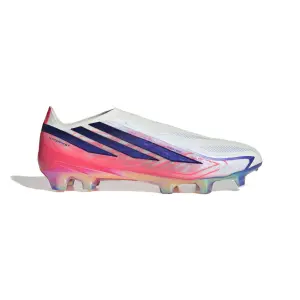
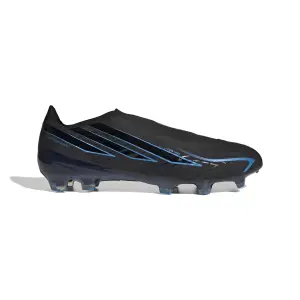
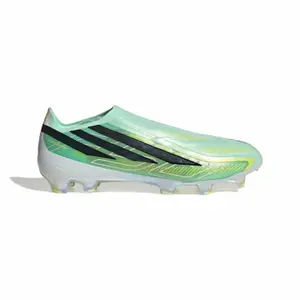
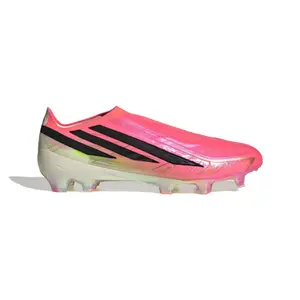
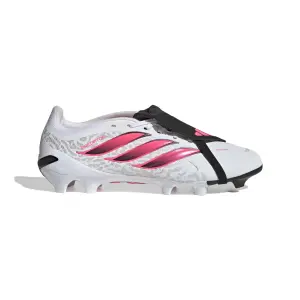
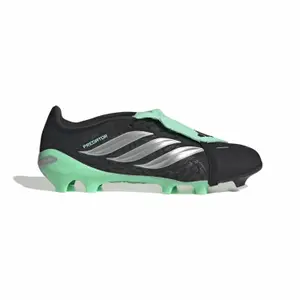
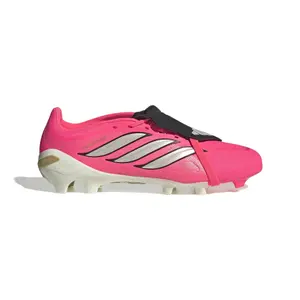
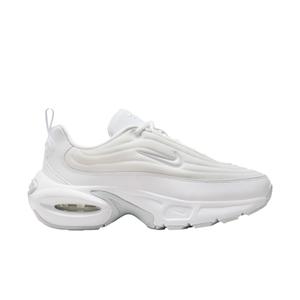
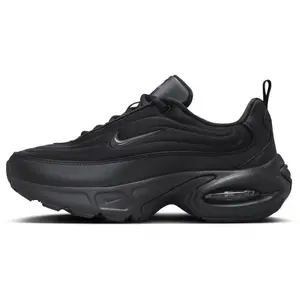
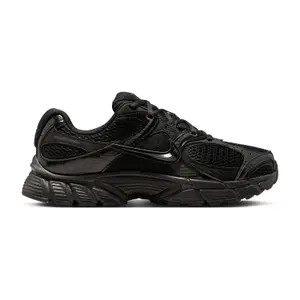
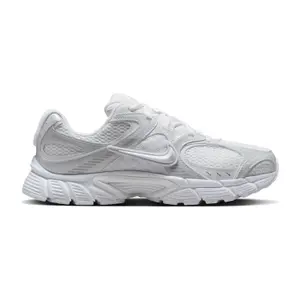
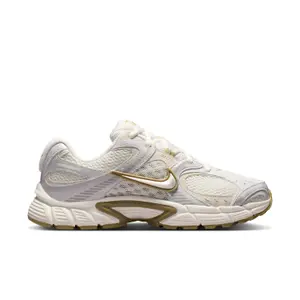
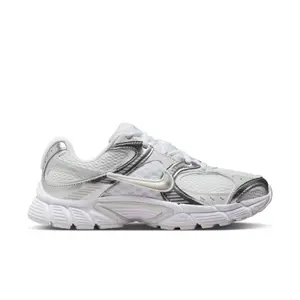
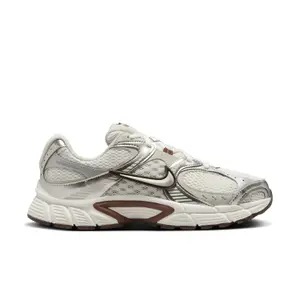
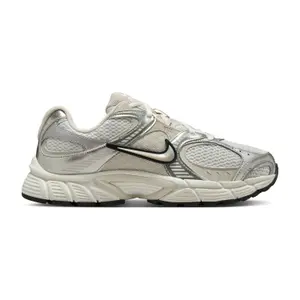
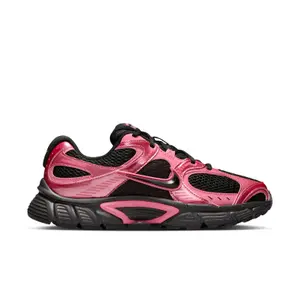
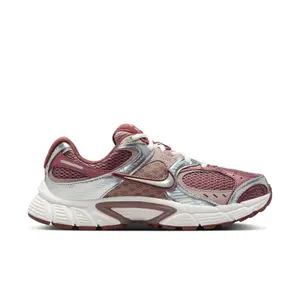
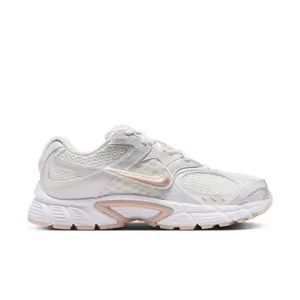
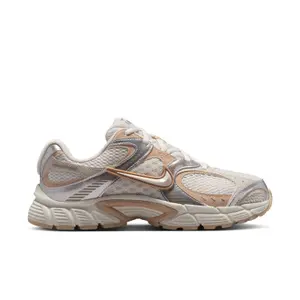
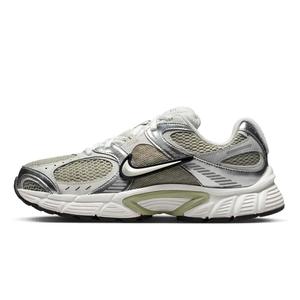
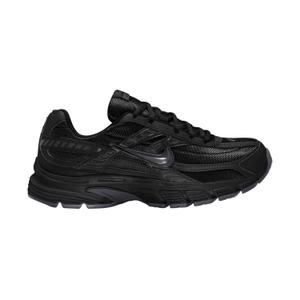
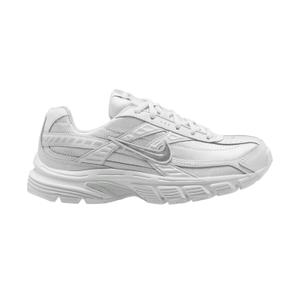
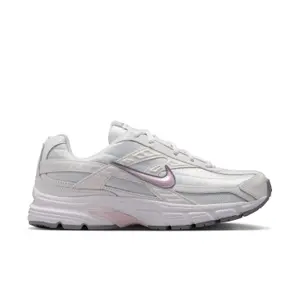
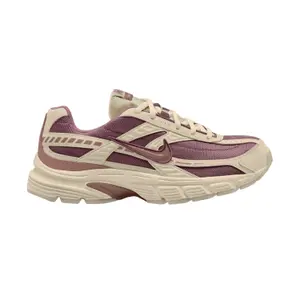
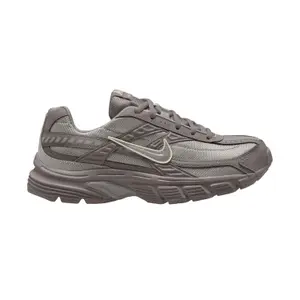
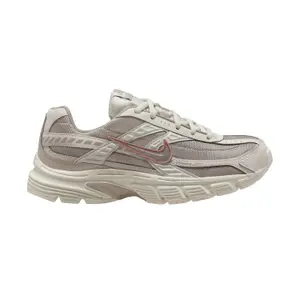
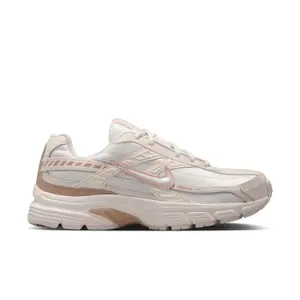
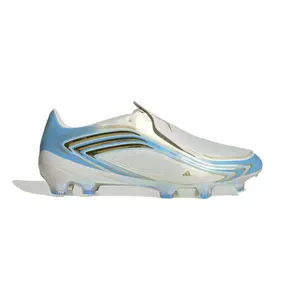
All the women's football gear gathered: club shirts, shoes, training kits and goalkeeper gloves.
Cuts designed for the female physique rather than reduced men's sizes, and the accessories that go with them.
Why a women's fit makes a real difference
For a long time, women's gear was just a smaller version of men's. That's no longer the case, and you can feel the difference right from the first session. Women's fits have narrower shoulders, a more defined waist, and appropriately sized armholes: a jersey no longer twists around the bust, and shorts no longer gape at the waist.
The same logic applies to shoes, where the shape of a woman's foot is generally narrower at the front and more tapered at the heel. A comparable men's size often floats at the back, leading to blisters and instability.
Club jerseys for women
Big clubs now offer their kits in women's fits, both home and away. You'll find them on the Teams page, alongside the national team kits. If your club doesn't have a women's fit, the classic supporter version is still the best option: it is roomier, making it easier to wear than the player version.
For personalisation, the rule is the same as everywhere: a customised jersey is non-returnable. Check the size beforehand, especially if you're torn between two fits.
Shoes: start by choosing your sole
As with all shoes, the sole is more important than the model. FG for dry natural ground, AG for synthetic, SG for soft ground, TF for turf, IC for indoor. This determines your stability and the lifespan of the pair, well before the colour comes into play.
With women's shoes, take the time to try how secure the heel is: that's where comfort is key. If you have wide feet, opt for comfort models rather than speed models, which are intentionally narrow.
Getting equipped for training
Training gear wears out the quickest because that's what we wear the most. Training jerseys, tops, trousers, and tracksuits should first be chosen based on the material: a fabric that efficiently wicks away sweat makes all the difference in a winter session.
A field tip: two training tops are better than one high-end top. You always have one dry, and they both last longer.
Goalkeepers: don't overlook the gloves
Goalkeeper gloves are selected based on three criteria: size, fit, and foam. A size that's too big loses contact with the ball, and foam that's too soft wears out in just a few sessions on synthetic ground. For daily training, go for durable foam; save the softer, more grippy foam for matches.
Women's football promotions: where to find the best deals
The women's selection follows the same schedule as the rest of the site, and the good deals are often more sustainable: sizes sell out less quickly than men's models.
- Women’s promos: current selection.
- Clearance: previous collections, with identical clothing.
- Sales: official sales periods.
- Black Friday: the end-of-year event.
Key moments come back every year in the same order: Black Friday, year-end holidays, winter sales, followed by French Days and summer sales in spring. Between these moments, the launch of new collections pushes out the previous ones.
Frequently asked questions
What's the difference between women's and men's football shoes?
The shape. Women's feet are generally narrower at the heel and slimmer at the front: women's models reflect this geometry. A comparable men's size often doesn't fit securely at the heel, leading to blisters and instability. If you're comfortable in a men's model, there's no reason not to stick with it.
Do women's jerseys fit small?
They fit true to size, but are fitted: the cut follows the size and shoulders. If you prefer to wear your jersey looser, go up a size or choose the classic supporter version, which falls straighter.
Can women wear men's football shoes?
Yes, many female players do, especially to access more colour options. The only point to check is the heel fit: that's where the shape difference is most noticeable.
What goalkeeper gloves should beginners choose?
Durable foam rather than soft foam, and a fit that keeps the tips of the fingers close to the end of the glove without compressing them. Very grippy foams are made for matches, not for handling three training sessions a week.
Where to find women's equipment on sale?
In the women’s promo and clearance sections, available all year round, as well as during the sales and on Black Friday. Sizes tend to be available longer than men's models.