Football boots from the Puma Arrival pack
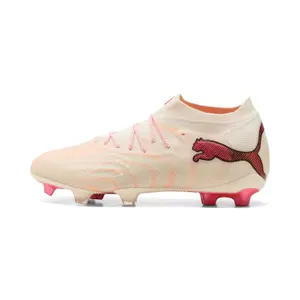
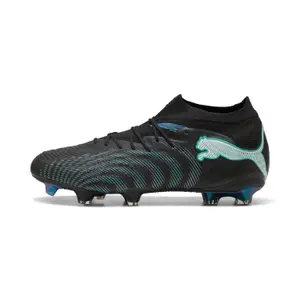
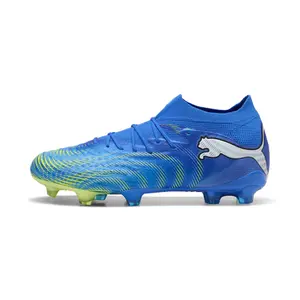
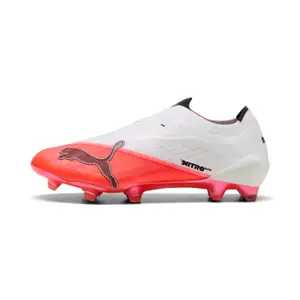
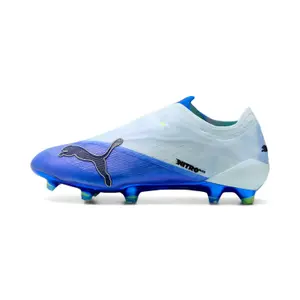
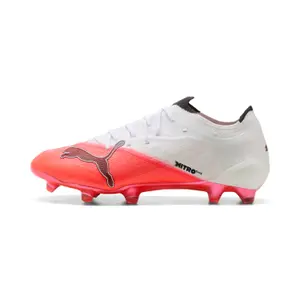
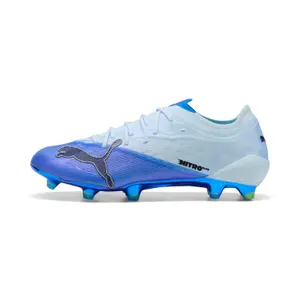
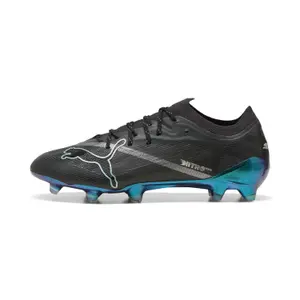
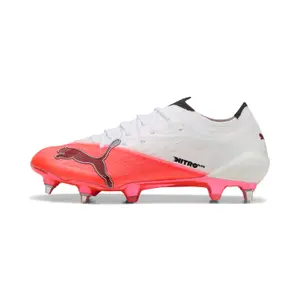
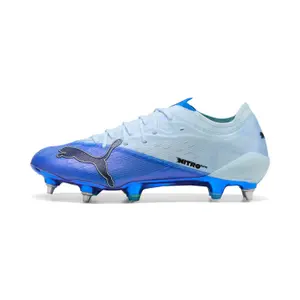

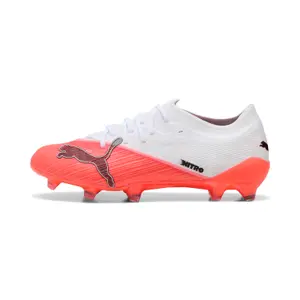
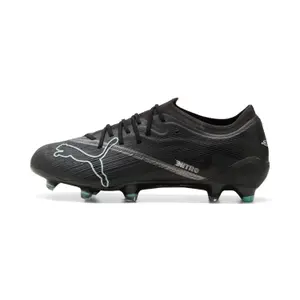
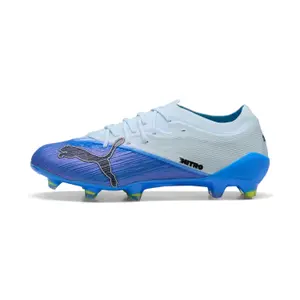
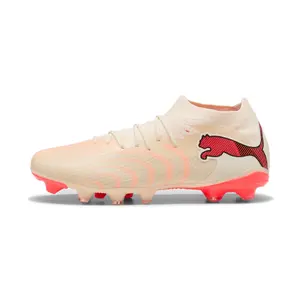
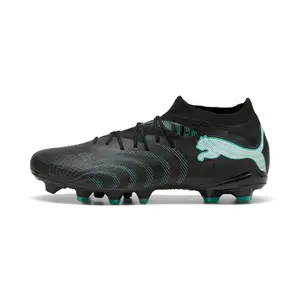

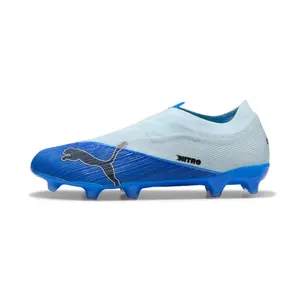
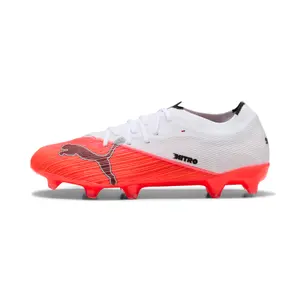
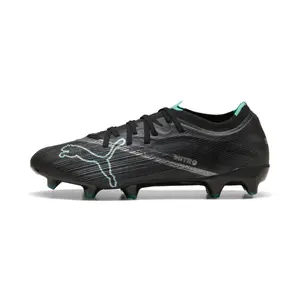
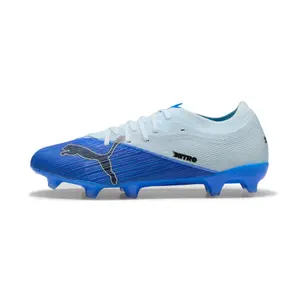
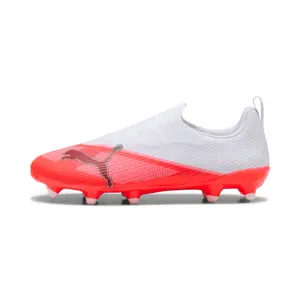
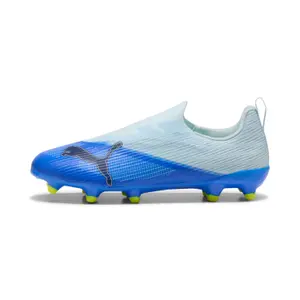
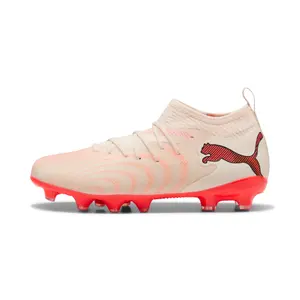

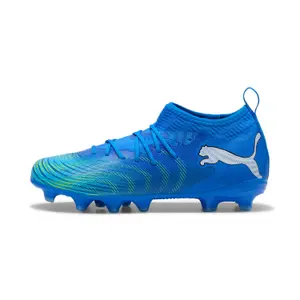
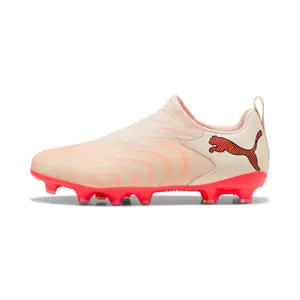
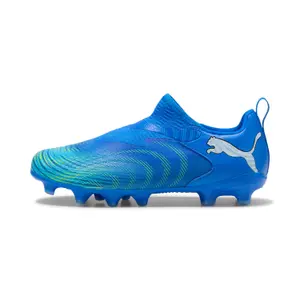
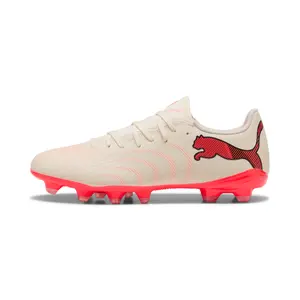
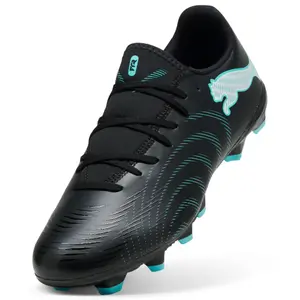
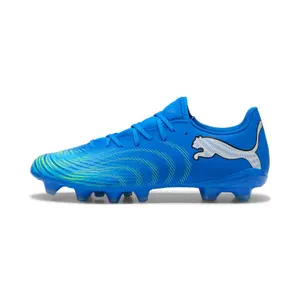
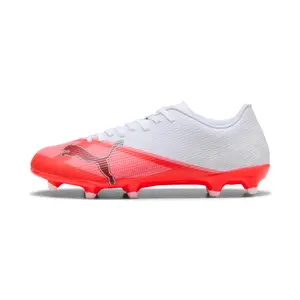
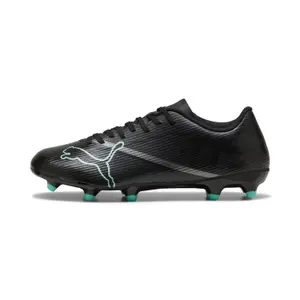
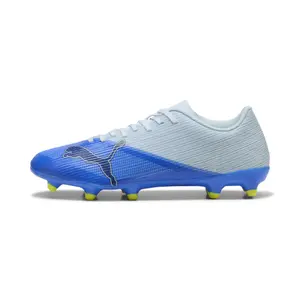
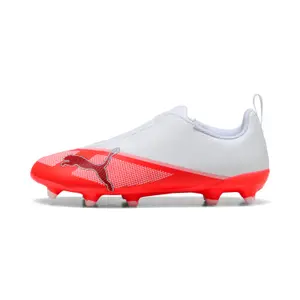
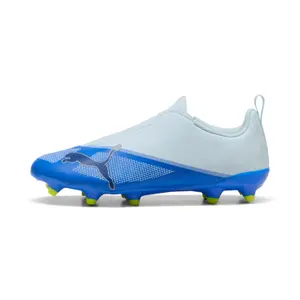
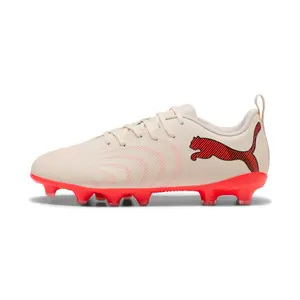
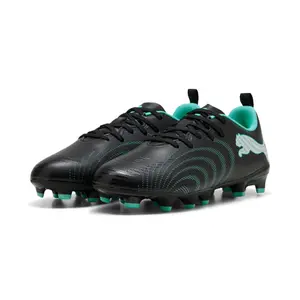
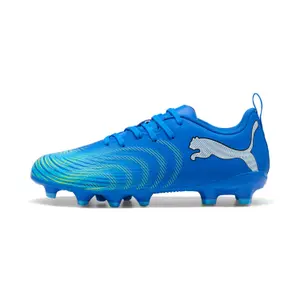
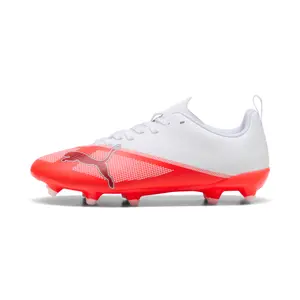
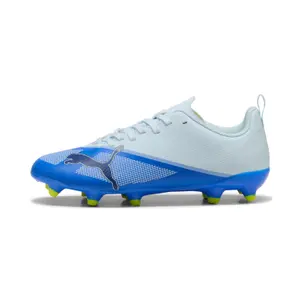
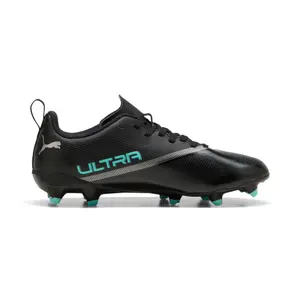
The Puma Arrival pack brings together the football boots Puma launched under this collection name, centred around the brand's two performance lines: the Ultra Nitro 7, focused on speed, and the Future 9, designed for ball play.
You’ll find laced and laceless versions, FG soles for firm natural grass, and FG/AG soles compatible with synthetic surfaces, as well as kids' sizes.
What is the Puma Arrival pack?
The Puma Arrival pack is a collection of Puma football boots where several models receive the same aesthetic treatment and are launched at the same time. At Puma, a pack doesn't create a new shoe: it outfits existing silos, here the Ultra Nitro 7 and the Future 9, in a common design that makes them recognizable on the pitch. This page brings together the available Arrival pairs in the catalogue, for both adults and children, with their various levels of finish and types of sole. If you’re looking for a specific pair, the simplest way is to start from the line that fits your style of play, then choose the finish and sole.
Which Puma models are in the Arrival pack?
Two families share the Arrival pack: the Ultra Nitro 7 and the Future 9, each available in several finishes. For the Ultra Nitro 7, the selection includes the entry-level version with FG/AG sole, as well as Pro and Ultimate versions with FG sole, plus laceless variants noted with the LL symbol in the product name. For the Future 9, you’ll find the Ultimate, Fusion, and Play variations, available in FG or FG/AG depending on the model. The younger players are not left out, with kid-sized pairs available from both lines.
Ultra Nitro 7 or Future 9: which one to choose?
The Ultra Nitro 7 is the speed boot from Puma, while the Future 9 is for the player who creates plays. The Ultra Nitro 7 is built around a Nitrofoam foam and a Speedsystem 2.0 sole, a combination aimed at bursts of speed and straight-line acceleration. The Future 9 features a Fuzionfit upper, textured Gripcontrol Pro contact areas, and a Flexgility sole, focusing on touch and footwork changes. Practically, if you play deep, out wide, and want a lightweight pair that propels you forward, the Ultra is the logical choice; if you spend a lot of time on the ball, in central positions or as a playmaker, the Future is a better fit.
Ultimate, Pro, Match, Play: what does the finish level change?
At Puma, the name following the model indicates the finish level, ranging from the highest-end version to the most accessible. The Ultimate finish is the top-tier: on the Ultra Nitro 7, it features an Ultraweave upper and Elite Nitrofoam, the most advanced construction in the line. The Pro and Match finishes retain the model's architecture with a double mesh upper and Nitrofoam cushioning, resulting in simpler and more affordable pairs. The Play versions, like the Future 9 Play, are geared towards players who want the silhouette and general feel of the range without aiming for the most advanced construction. So, the choice depends less on the look, which is identical in a pack, and more on the budget and the number of training sessions each week.
FG, FG/AG, laces or laceless: how to read product names?
The abbreviations following the name of the model describe the sole and lacing, and they determine whether a pair is suitable for your pitch. FG stands for a sole designed for firm natural grass, with studs made for this type of surface. FG/AG means that the pair is intended for both firm natural grass and artificial surfaces, a useful point if you alternate between both throughout the week. The LL symbol indicates a laceless upper, which fits the foot into a closed design: getting used to it takes a bit of practice, and it's best to be sure of your size before opting for this option.
Which pairs from the Arrival pack are suitable for children?
The Arrival pack is available in children's sizes across both lines, with versions suited for club football. The selection includes Puma Ultra 7 pairs with FG/AG sole, versatile for both grass and synthetic pitches, as well as a laceless Future 9 Match in FG/AG for young players already comfortable with this kind of fit. For these sizes, the growth margin and ease of putting on the shoe often matter as much as the upper technology.
What are the other new football boot packs?
The Arrival pack is part of the New Packs selection, which gathers collections launched by brands during the same time period. Each pack has its own page, allowing comparisons of current designs brand by brand:
- The Puma Level Up, to see another design from the Puma lines available in the catalogue.
- The Puma Eclipse, if you prefer a Puma pair in a darker tone.
- The Puma Showtime, another collection of Puma boots under a single collection name.
- The adidas Final Rush, to find the equivalent range from adidas during the same period.
- The adidas Chaos vs. Control, an adidas pack built around two opposing play styles.
- The adidas F50 Messi, for the adidas pairs associated with the Argentine player.
- The adidas Road to Glory, if you're looking for adidas models grouped under this name.
- The Nike Mbappe 26, for the Nike shoes linked to the French player.
- The Nike Black Pack, for a Nike pair in a monochrome style.
- The Nike Break 'Em Pack and the Nike Breakout, two Nike collections to compare.
- The Nike Showtime, the page for Nike models gathered under this name.
- The New Balance Neon Tide, for a break from the three most common brands on the pitches.
- The Mizuno Bright Black, if you're looking for a pair from Mizuno rather than Puma.
- The Skechers Sunset, an alternative for those wanting to try another brand.
Where to find good deals on Puma football boots?
Discounted football boots are grouped on dedicated pages, which it's better to check directly rather than waiting for a price drop on a specific pair. The promotions on football boots and the shoe bargains are the first places to look, along with the shoe clearance when a collection is replaced by the next, and the shoe sales during official periods. For the latest releases, you can check the new football boots and the site's new arrivals.
The timing plays a big role in what you find on these pages. The Black Friday for football boots kicks off the discount season, followed by the end-of-year celebrations, then the winter sales, and lastly the French Days in spring, a shorter window found in the special offers. A new pack rarely gets discounted right after its release: reductions tend to come when the next line is announced. If you need something quickly for the start of a league or tournament, the page for items shipped in 24h allows you to filter for what goes out the fastest.
Frequently Asked Questions
Is a shoe from the Arrival pack different from the same pair in another colour?
No, a pack is primarily a design: a Puma Ultra Nitro 7 Ultimate from the Arrival pack remains the same shoe as the Ultra Nitro 7 Ultimate sold in another colour. The upper, outsole, and fit are the same as the model, and it’s the finish, not the pack, that varies the construction. The pack is used to choose a look, not a performance level.
How much does a pair from the Puma Arrival pack cost?
The price depends on the finish level and not the pack itself. The Ultimate versions, which are technically more advanced, sit at the higher end of the range, while Play or entry-level versions are significantly more affordable. The current price is what’s displayed on each pair’s page, and the promo and clearance pages allow comparison with models from previous seasons.
Can you wear an FG sole on a synthetic pitch?
An FG sole is designed for firm natural grass, not for modern synthetic surfaces. If you regularly play on synthetic, a pair marked FG/AG is the sensible choice, as it covers both surfaces. For very dense short-studded synthetic or stabilized pitches, you should look for soles suited for those surfaces instead of forcing with an FG.
Do the laceless models really hold the foot?
The LL versions, for laceless, hold the foot by the tension of the collar and upper, without the ability to tighten a specific area. They work well for players whose foot fits the brand's shape, and less so for those with very narrow or wide feet. If you’ve never worn laceless models, a laced version of the same model is still the safest choice for a first purchase.
How to choose your size for a Puma football boot?
A football boot fits closer to the foot than a casual sneaker, with less space in front of the toes but without constant contact. Measure your foot at the end of the day, standing up, and compare it to the size you usually wear in sport shoes rather than automatically taking your regular street size. Between two sizes, a wider foot benefits from going for the larger size, especially with a laceless version that won’t adjust.