Club shirts and polos: how to make them last
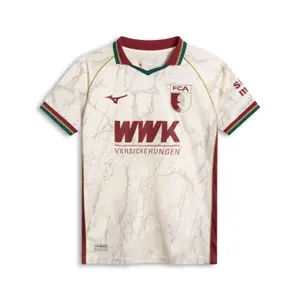
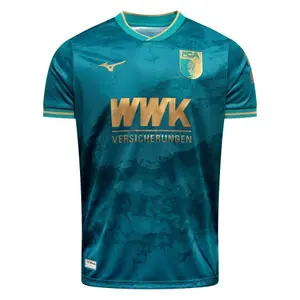
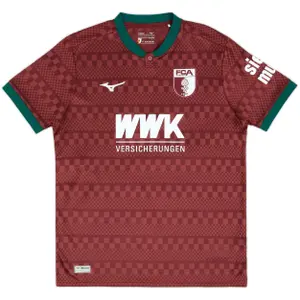
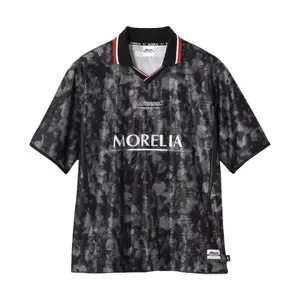
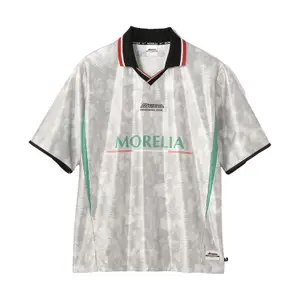
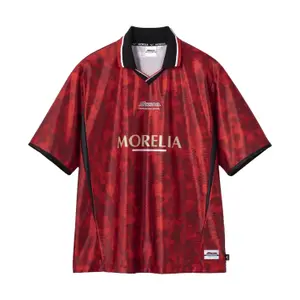
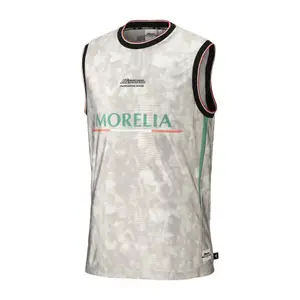
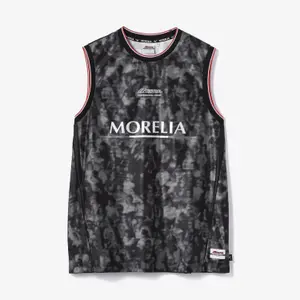
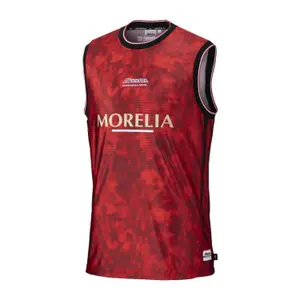
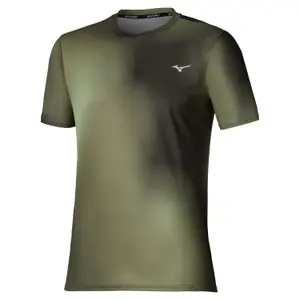
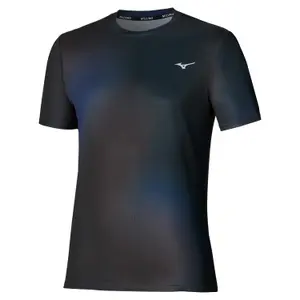
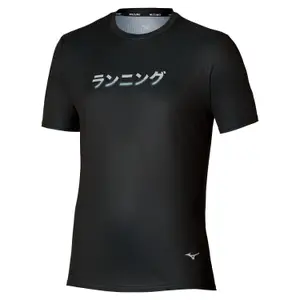
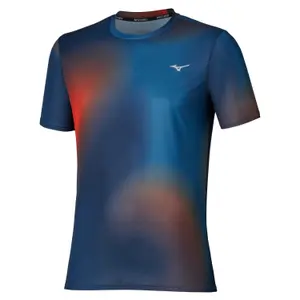
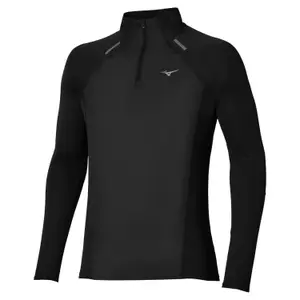
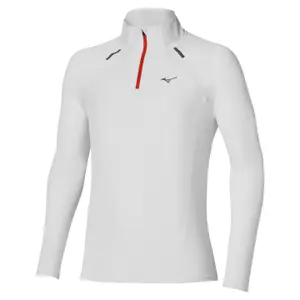
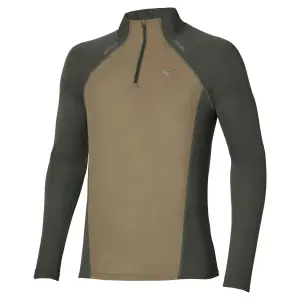
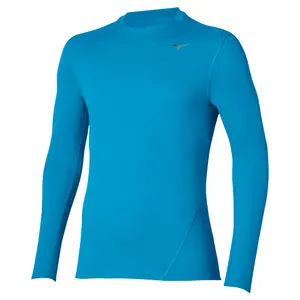
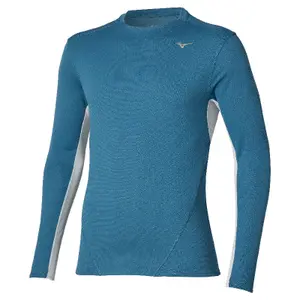
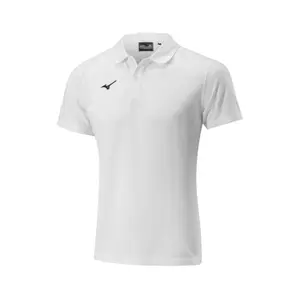
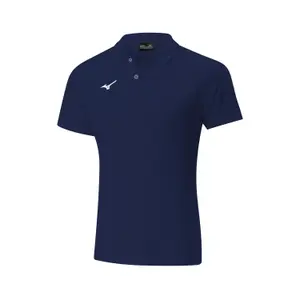
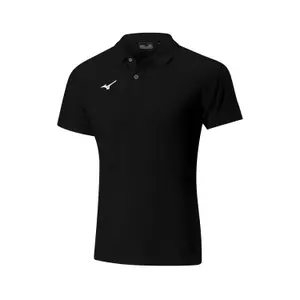
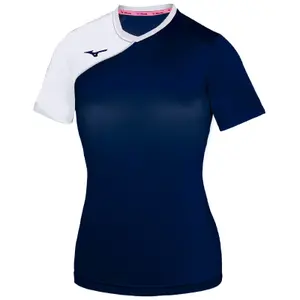
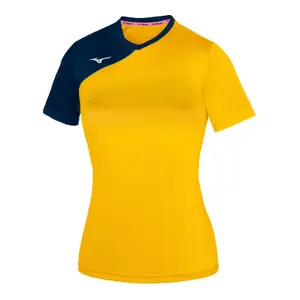
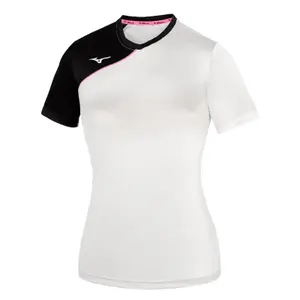
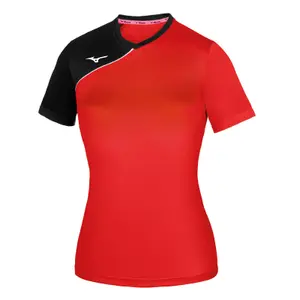
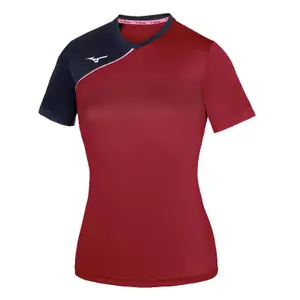
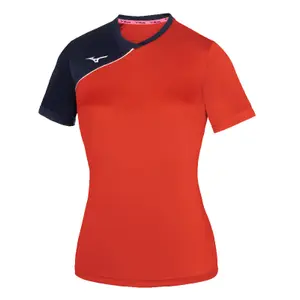
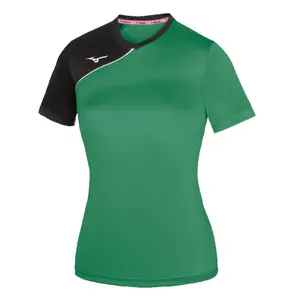
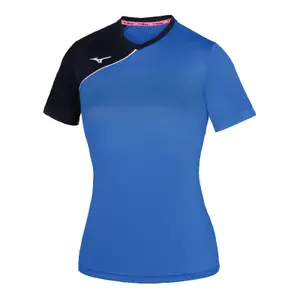
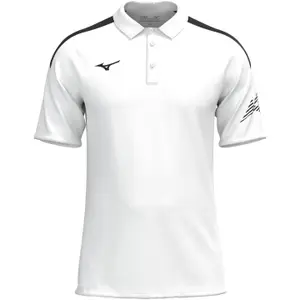
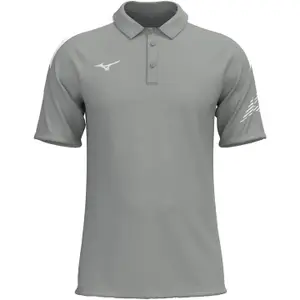
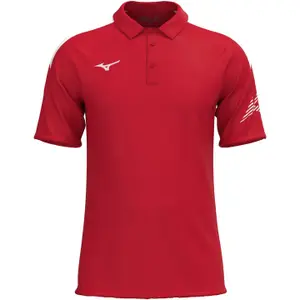
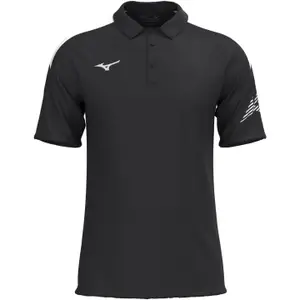
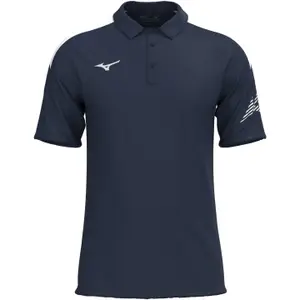
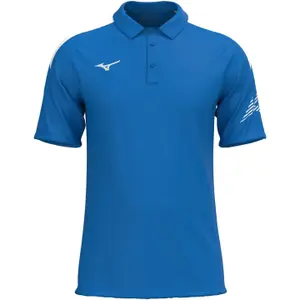
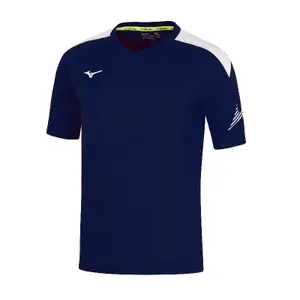
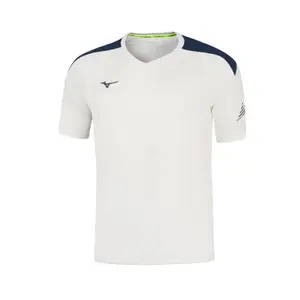
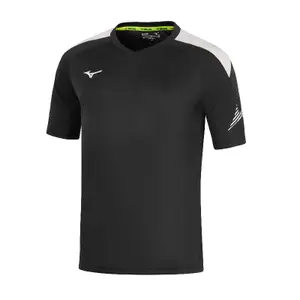
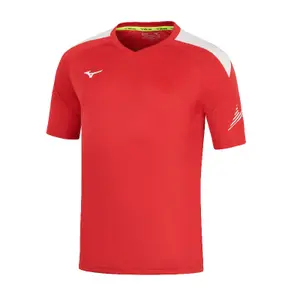
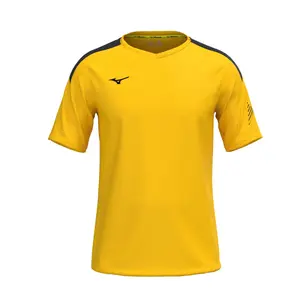
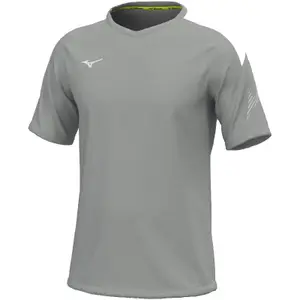
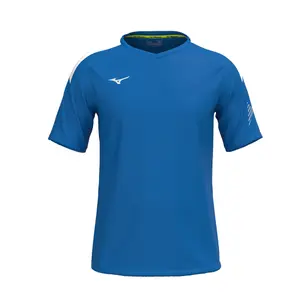
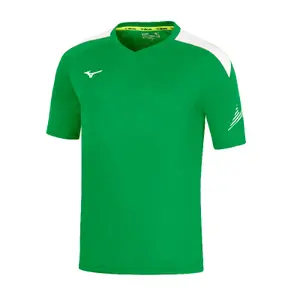
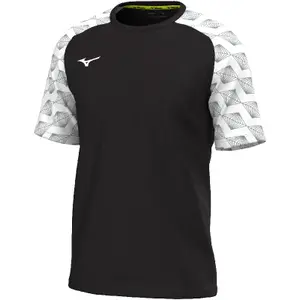
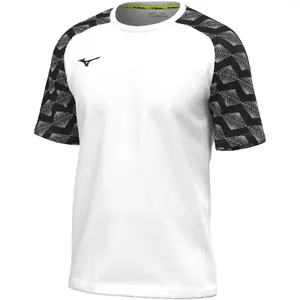
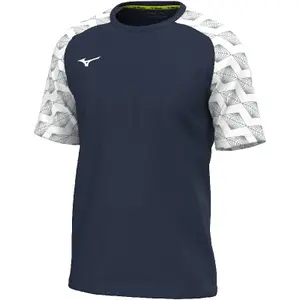
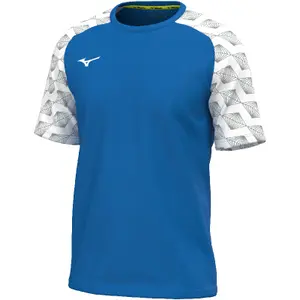
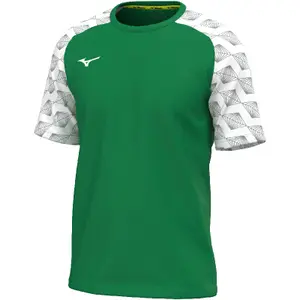
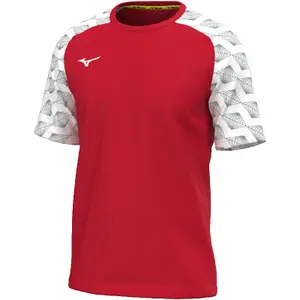
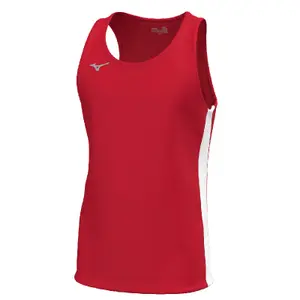
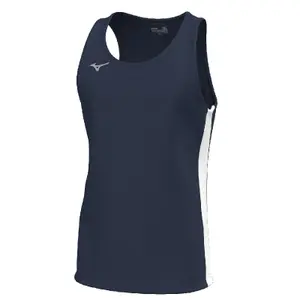
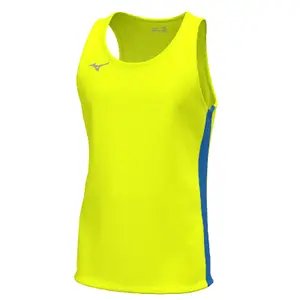
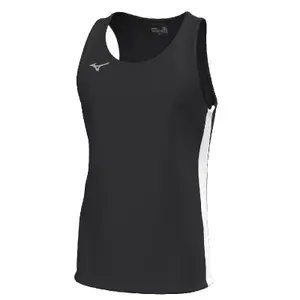
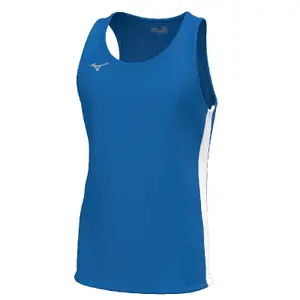
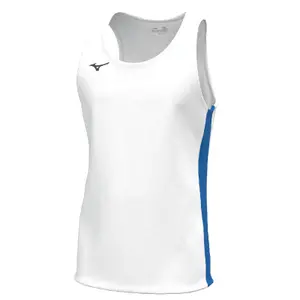
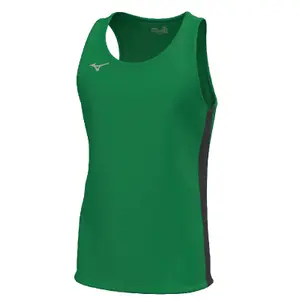
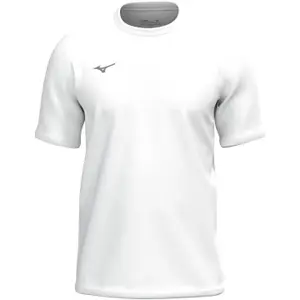
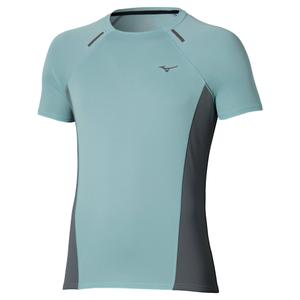
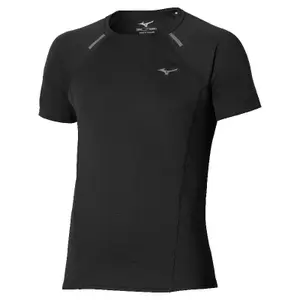
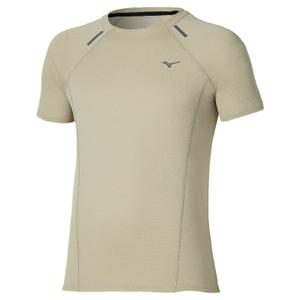
This selection brings together training shirts and polos for clubs. When it comes to funding, the biggest impact on the budget isn't the purchase price but the lifespan: a set that lasts three seasons costs half as much as a set that is replaced every year.
This page features what truly makes a difference in use.
What wears out a club jersey
A training jersey typically goes through between one hundred and one hundred and fifty washes per season in an active club. It's the washing, much more than the playing, that determines its lifespan: snags are rare, but the material fatigue is constant.
Three main factors come into play: the washing temperature, the use of fabric softener, and tumble drying. All three can be controlled, which makes this topic relevant for a club looking to extend the life of its kit.
The temperature and fabric softener
A wash at a low temperature is sufficient in almost all cases. Increasing the temperature doesn’t clean a technical fabric better and speeds up the deformation of elastic fibres, especially at the seams and collar.
Fabric softener leaves a film that clogs the weave of breathable materials. The jersey then loses precisely the quality for which it was chosen, and the effect is irreversible after several cycles.
Drying, the main enemy of prints
Transfers and patches applied hot hold up well in washing but struggle in the tumble dryer. It is the heat from drying, combined with the drum’s friction, that peels them off at the edges and then tears them away.
Air drying the jersey inside out solves the problem. Turning the garment inside out also limits abrasion of the prints on the friction areas, particularly the shoulders and upper back.
Organising the care of a kit
Many clubs entrust washing to one person rather than families, specifically to ensure consistent conditions. This is why a collectively managed kit often lasts longer than a dispersed one.
When washing remains individual, a simple written instruction, low temperature, no fabric softener, no tumble dryer, covers the essentials and is easily passed from one season to the next.
The rest of the club's textile
The other items complement the outfit: training tops, training trousers, shorts, socks, and jackets and puffy coats. The page Mizuno brings together everything from the brand.
Equipping your club on a budget
Extending the life of a kit is the first way to save money, buying at the right time is the second. The club sales section and the club deals section gather discounts on this range, and the clearance covers end-of-line items from the site.
The Black Friday kicks off the season, followed by the holiday period, the winter sales, and the French Days in spring.
Frequently asked questions
What temperature should I wash a training jersey at?
At a low temperature, which is sufficient in almost all cases. Increasing the temperature does not clean a technical fabric better and fatigues the elastic fibres in the collar and seams.
Why should I avoid fabric softener?
It leaves a film that clogs the weave of breathable materials. The jersey then loses the quality for which it was chosen, and the effect cannot be reversed after several cycles.
Does the tumble dryer damage prints?
Yes, it is their main enemy. The heat combined with the drum’s friction detaches the heat-applied markings at the edges. Air drying resolves the issue.
How long does a set of jerseys last?
This almost entirely depends on care. A set washed under good conditions can last several seasons, while a set put in the tumble dryer deteriorates within a year.
Where can I find club textiles at reduced prices?
On the club deals section and the club sales section.