Club shirts and polos: customization
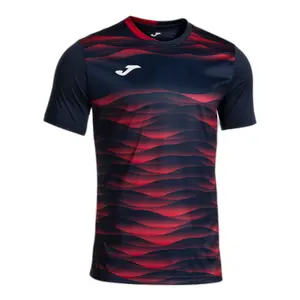
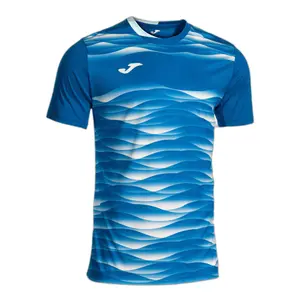
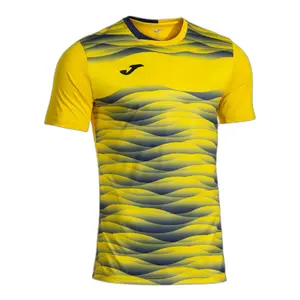
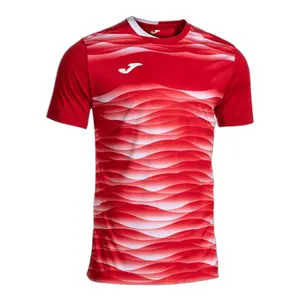
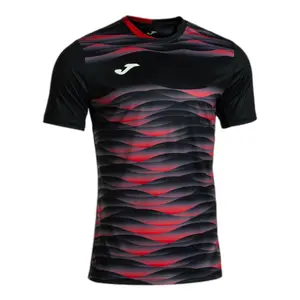
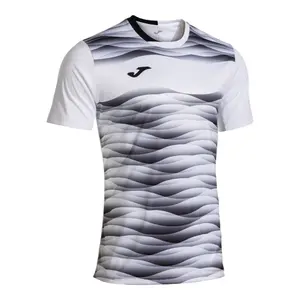
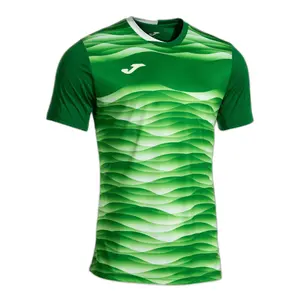
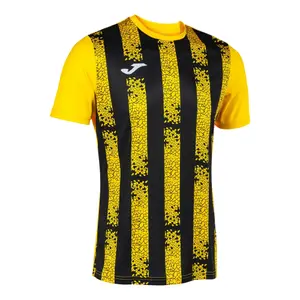
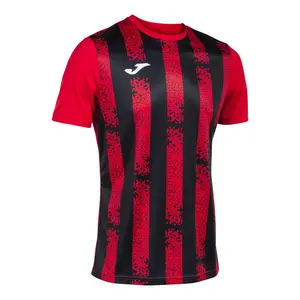
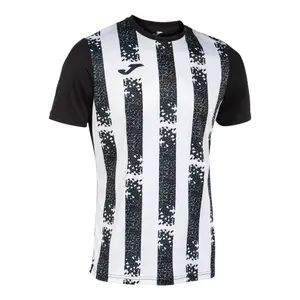
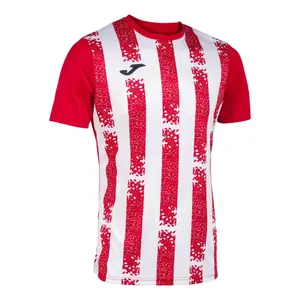
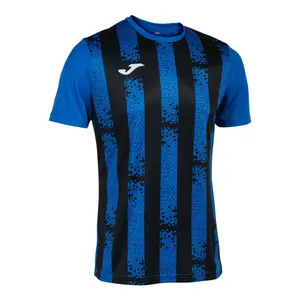
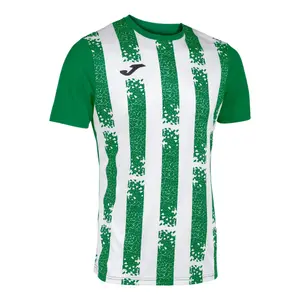
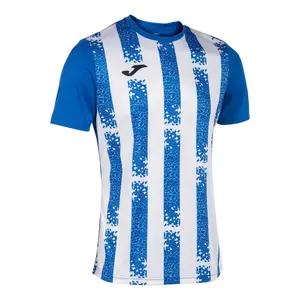
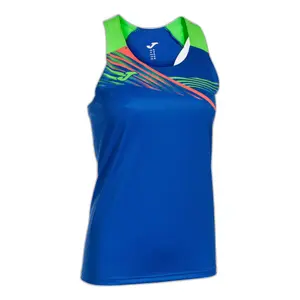
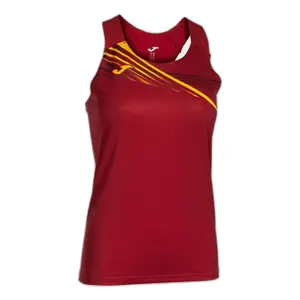
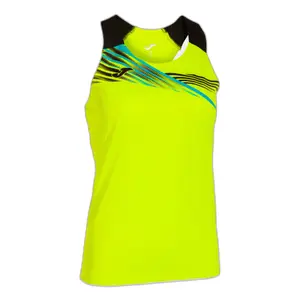
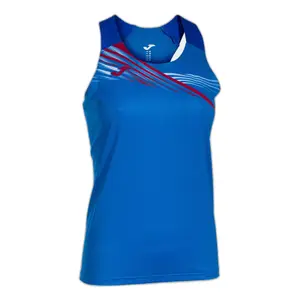
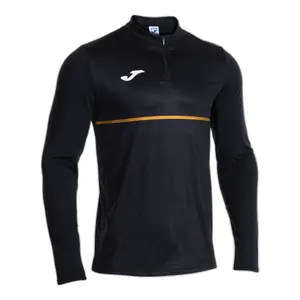
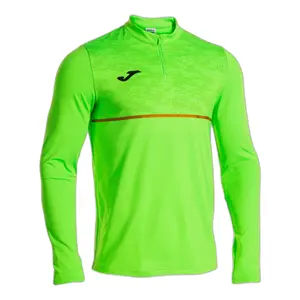
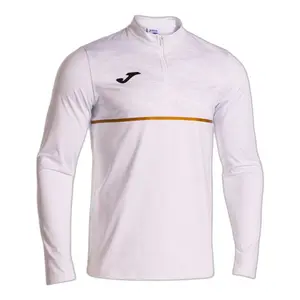
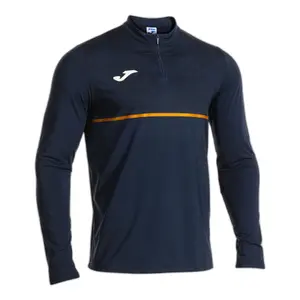
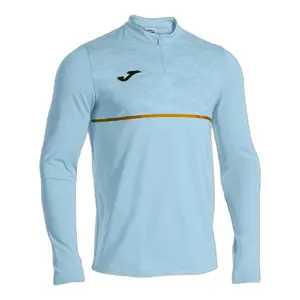
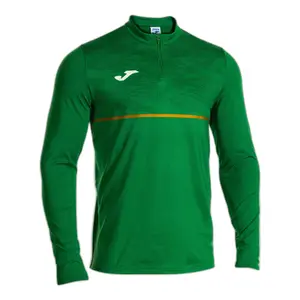
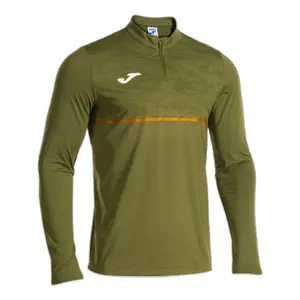
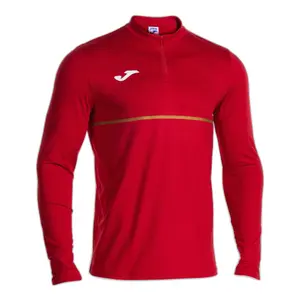
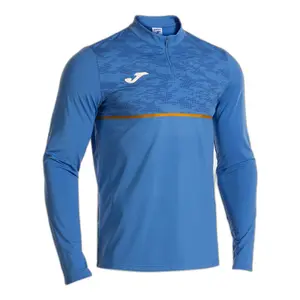
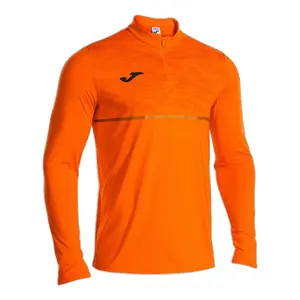
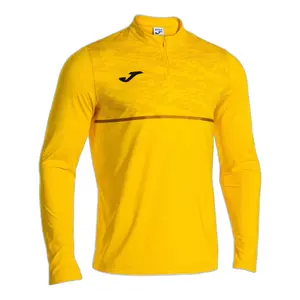
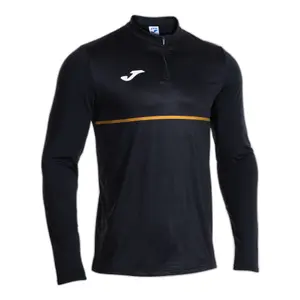
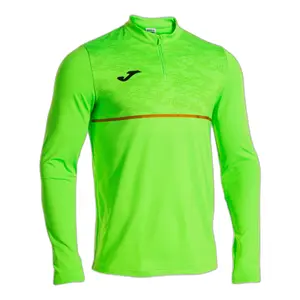
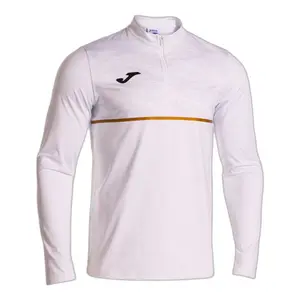
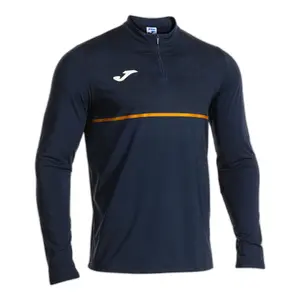
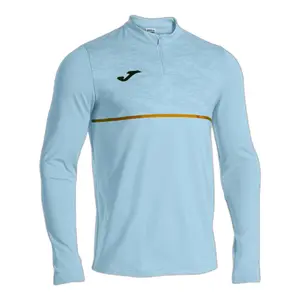
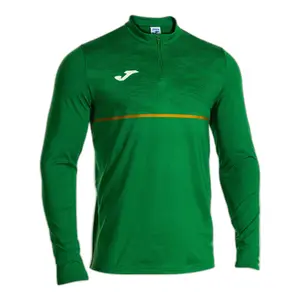
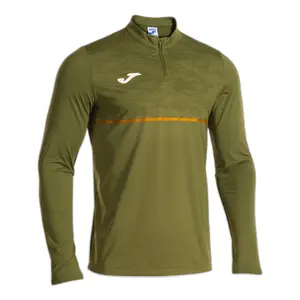
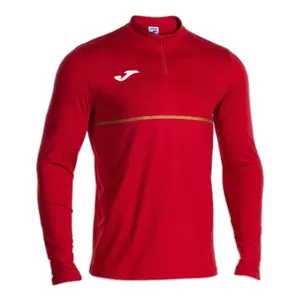
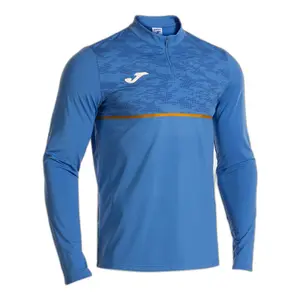
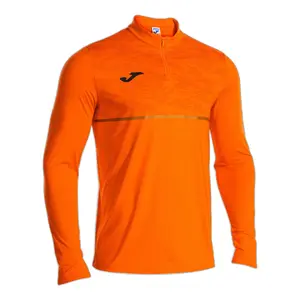
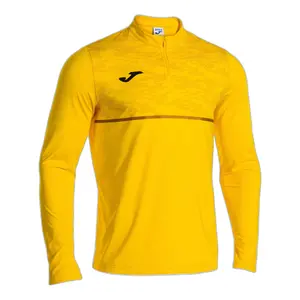
This selection brings together shirts and polos for clubs. Once the model is chosen, the part that involves you really comes next: the customization, club name, numbers, and possible sponsors, which turns a plain shirt into a team kit.
It's an irreversible step, and having some pointers helps avoid costly mistakes.
What customisation of a kit involves
Three elements are often included. The club name, placed on the back or chest depending on custom. The numbers, essential in official competitions. And the sponsors, who often fund part of the kit and whose placement is negotiated in advance.
Each added element increases the unit cost and extends the preparation time. On an order of twenty shirts, this affects both the budget and the delivery date, which should be considered before the season starts.
Numbers: what the regulations require
Legibility of the number is a competition requirement, not an aesthetic detail. Federations set rules for minimum size and contrast with the background, and a referee can reject a shirt if the number is unreadable.
Assigning numbers before ordering avoids the need to add more later, which is always more expensive individually than in bulk. It’s wise to set aside a few spare numbers for mid-season arrivals.
Choosing marking colours
The marking must contrast with the shirt across its entire surface. On a plain shirt, the choice is straightforward. On a patterned or striped background, a marking bordered with a trim remains legible no matter where it is placed.
Black and white are safe bets, but a club may want to use a colour from its identity. In this case, it's best to check how it looks on a sample before launching the full series.
Ensuring durability of marking
Hot-applied marks hold up well in washing but struggle in machine drying. The drum's heat can peel them off at the edges, and then friction does the rest. Air drying, inside out, significantly extends their lifespan.
Care instructions are the most important for a personalised kit, more than wash temperature. They are easily communicated to families when washing isn’t centralised.
The rest of the club's apparel
Other items complete the outfit: training tops, training trousers, shorts, socks, and jackets and coats. The page Joma brings together all the brand's items.
Equipping your club on a budget
Customisation adds to the cost of the shirt, making the initial purchase price even more critical. The sales club section and the club offers section gather discounts for this range, and clearance sales cover end-of-line items on the site.
The Black Friday kicks off the period before the end-of-year celebrations, followed by winter sales and the French Days in spring. Ordering early also allows time for marking preparations.
Frequently asked questions
What elements can be added to a club shirt?
The club name, numbers, and sponsors, depending on the options offered by the model. The product sheet specifies what is available at the time of order.
Are the numbers mandatory?
Yes, in official competition, and their legibility is subject to size and contrast rules. A shirt with an unreadable number may be refused.
How do you choose the colour of the marking?
By looking for contrast with the background across the entire surface it covers. On a patterned or striped shirt, a marking bordered with a trim remains readable everywhere.
Can you add shirts to an already printed kit?
Yes, provided the model is still in the catalogue. The unit cost is, however, higher than in bulk, justifying the need to plan a few pieces in advance.
How do you care for a marked shirt?
Wash at a low temperature and especially air dry, inside out. It’s the heat from the dryer that peels off hot-applied markings.