Training cones and hurdles for football clubs
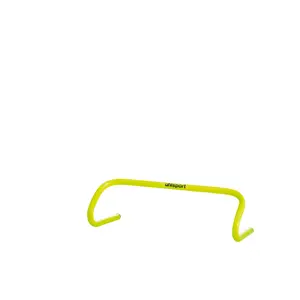
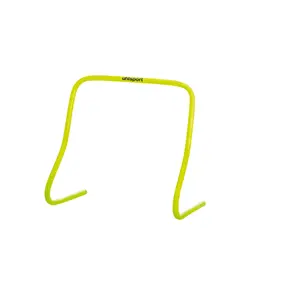
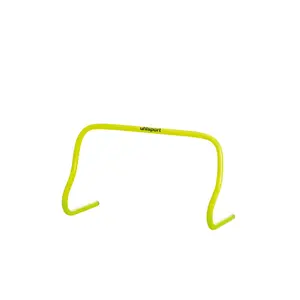
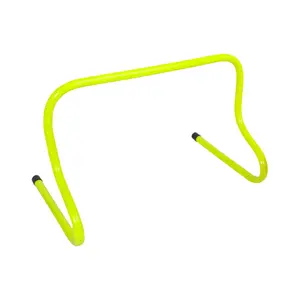
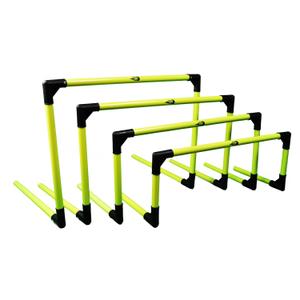
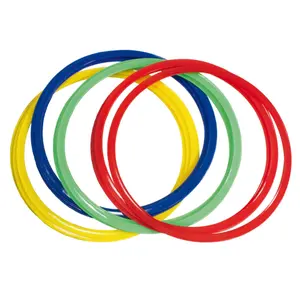
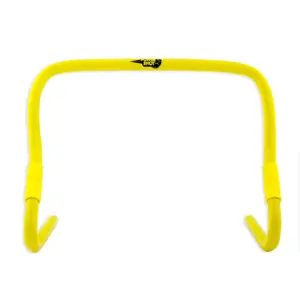
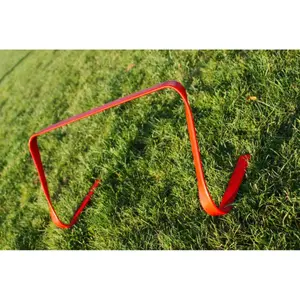
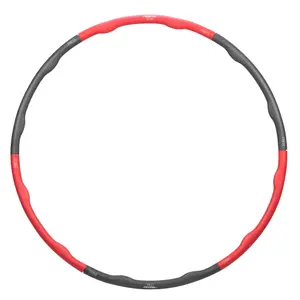
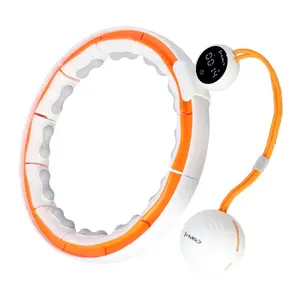
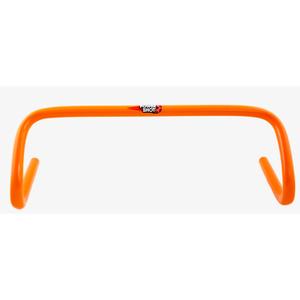
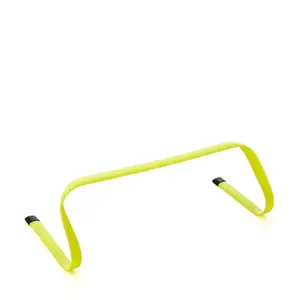
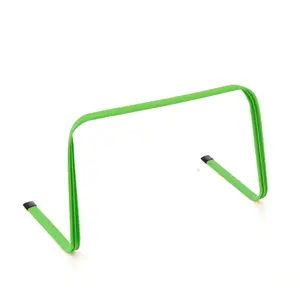
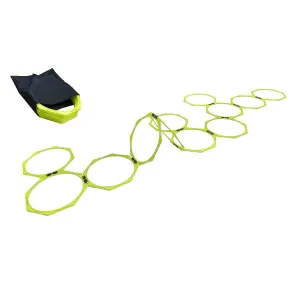
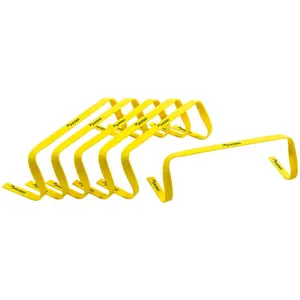
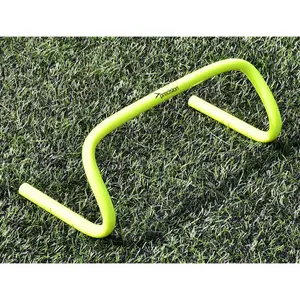
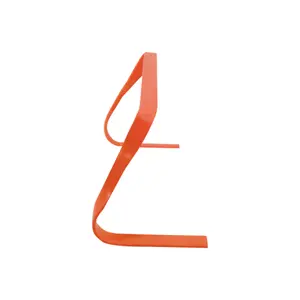
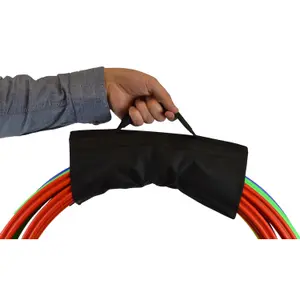
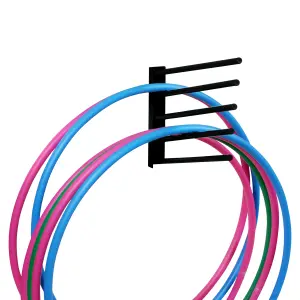
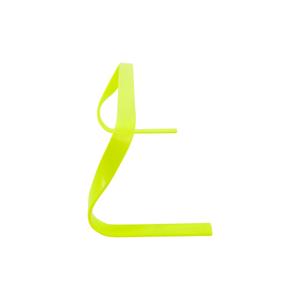
Hurdles and hoops are part of the basic training equipment for an amateur football club. They are used to work on players' speed, agility, and coordination, both in warm-ups and technical sessions.
Here you can find the Hurdle and Hoop ranges offered by Sporti, Kuebler Sport, Precision, and Powershot.
What are football training hurdles and hoops used for?
Hurdles and hoops help structure warm-up exercises and physical training without a ball. Placed on the ground in a line, fan shape or grid, they are used to repeat foot placements, changes of direction, and jumps that prepare the body before a session or match. They are lightweight accessories, easy to transport and store, suitable for both training pitches and gyms for winter physical preparation.
Hurdle or hoop: which equipment for which exercise?
The hurdle is primarily used for jumping over: it requires the player to lift their feet, adjust their stride, and work on leg coordination in running exercises. The hoop, on the other hand, is placed on the ground to mark foot placement zones: it is used for frequency, foot placement, or fine coordination exercises, often performed in series. Both pieces of equipment are frequently combined in the same warm-up course, with the hurdle for jumping and the hoop for precise foot placements.
What heights and types of hurdles should be chosen?
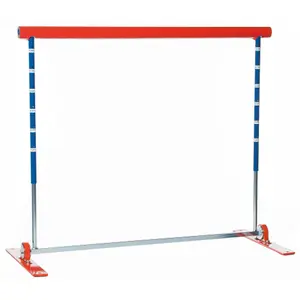
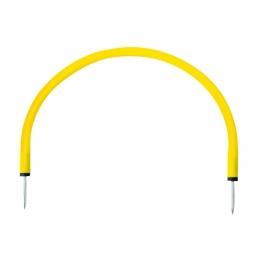
The choice mainly depends on the type of exercise and the players' age. A low hurdle, around 15 to 30 cm, is suitable for foot frequency work and for warming up younger categories. An adjustable hurdle with several heights offers more flexibility: it allows the same course to be adapted for different groups or for progression throughout the season. Flexible or foldable hurdles are easy to transport and store in quantity, simplifying their use during group sessions with multiple parallel activities.
Sporti, Kuebler Sport, Precision, Powershot: which brands are in the catalogue?
The Hurdles and Hoops catalogue includes equipment from Sporti, Kuebler Sport, Precision, and Powershot. It features adjustable hurdles, low flexible hurdles, foldable agility hurdles sold in sets, and flat hoops or coordination hoops designed for exercises in series. These are products aimed at repeated use in training, with formats suitable for both individual sessions and collective work in small groups.
Goals, cones, markings: the rest of the pitch equipment
Hurdles and hoops only cover part of a club's needs for equipping its training pitch. Other pages of the site complete this selection:
- The goals and nets, to equip a training or match pitch.
- The touchline shelters, to protect substitutes and staff on the sidelines.
- The marking products, to mark the lines and areas of a pitch.
- The cones and markers, to delineate training drills and exercise courses.
- The corner flags, to equip the touchlines during matches.
All of this equipment is grouped on the Pitch Equipment page, which provides an overview of the equipment available for a club.
When to take advantage of good deals on training equipment?
The price of training equipment varies depending on the site's promotional periods. The Black Friday and end-of-year holiday operations are often the first events to watch for these types of products, followed by the winter sales and the French Days in spring. Outside of these peak times, the Bons Plans page and the Clearance page allow you to spot discounted items year-round, while the New Arrivals page showcases the latest items added to the catalogue. For urgent needs before a session, the Shipped in 24h page groups products available for rapid shipping, and the Special Offers page occasionally gathers other discounts on club gear.
Frequently asked questions
How many hurdles are needed for a group exercise?
This depends on the number of players and the type of course. An individual station often uses four to six hurdles lined up, while multiple stations for a whole group require several identical series set up in parallel. Sets sold in multiple units make it easier to set up quickly these courses.
Are hoops suitable for younger categories as well?
Yes, hoops are commonly used from the youngest categories for motor skills and simple coordination exercises. Their use does not require jumping, making them more accessible than hurdles for a child's first sessions.
Can hurdles be used indoors, in a gym?
Yes, low hurdles and hoops are well-suited for indoor use, especially during the winter when sessions move indoors. Just make sure the ground of the gym provides good grip to prevent any slipping of the equipment.
How to store and transport hurdles between sessions?
Foldable hurdles and flexible hurdles store easily due to their compact design, simplifying transport in a bag or a equipment box. Height-adjustable models, which are slightly bulkier, are usually stored flat to limit space requirements.
What is the difference between a flexible hurdle and a rigid hurdle?
A flexible hurdle slightly deforms when hit by a foot or in a fall, which limits the risk of injury during close jumping exercises. A more rigid hurdle maintains its shape better over time and is suitable for regular use on the same training pitch.