Joma's Aguila Soccer Cleats
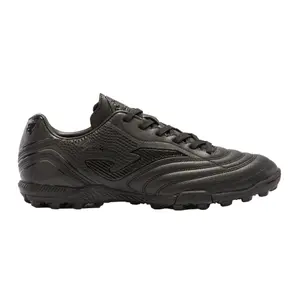
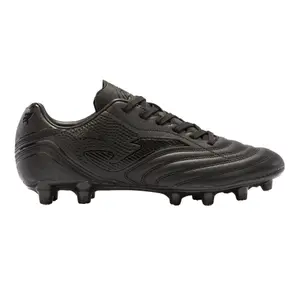
This page brings together the football boots Joma Aguila, one of the lines from the Spanish brand. It's a range mostly seen on club pitches, among players looking for a sturdy pair without aiming for the top of the catalogue.
It comes in versions for different surfaces, including turf versions designed for synthetic pitches.
Where does the Aguila fit in the Joma range?
The Aguila is part of the lines that Joma reserves for club players rather than for display. It’s not the elite model in the catalogue; it's the one you wear three times a week without thinking twice.
This is a positioning embraced by the brand, which builds a large part of its catalogue around this use. Joma outfits numerous clubs in Spain and Italy, and its shoes are designed for the pace of an amateur player rather than for just one match a week.
Why do players choose Joma?
The most common reason is the fit. The brand has a reputation for a slightly wider shape than its American and German competitors, which suits feet that suffer in very tight models.
The balance between construction and price also matters. A player who wears out their shoes in one season doesn’t necessarily want to pay the price of a competition model, and that's exactly the niche the brand occupies.
The turf version, for which surface?
A turf sole features a multitude of small studs spread across the entire surface, instead of a dozen longer studs. It is made for synthetic surfaces, particularly dense fields and training surfaces.
The benefits are two-fold. The distribution of support avoids pressure points underfoot, and especially, the studs do not get stuck in the surface, limiting knee twists. On synthetic surfaces, a dry ground sole grips too much.
The opposite is also true: a turf on muddy natural grass slips, due to the studs not being long enough to grip. Each sole has its surface, and a player who alternates often has two pairs.
Choosing the right size
A football shoe should fit tighter than a casual sneaker, with just a few millimetres in front of the toes and no more. A foot that moves in the shoe loses precision on support and can develop blisters.
Size correspondences vary from brand to brand, and measuring the foot in centimetres remains the most reliable reference. This is especially useful when changing brands, as sticking to your usual size often leads to a mistake.
The other Joma lines
The brand offers its shoes in several lines, each one having its page:
- The Champion, one of the historical lines in the brand's catalogue.
- The Propulsion, focused on speed and quick starts.
- The Top Flex, geared towards covered surfaces and small-sided games.
The page Joma brings together all the shoes of the brand available in the catalogue.
Where to find cheaper Joma shoes
Club lines don’t turn over as quickly as high-end models, leaving some series available longer at the end of their life cycle. That’s when discounts become interesting.
The shoe clearance and shoe deals gather end-of-line items and current discounts, while shoe sales occur during legal sale periods. Football shoe promotions also complement ongoing operations.
The Black Friday marks the start of key sales events, ahead of the end-of-year holidays, winter sales, and the French Days in spring. For shoes, common sizes often sell out first, and waiting until the end of a sale often means selecting from what’s left.
Frequently asked questions
Do Joma shoes run wide?
The brand is reputed to have a slightly wider shape than some competitors, which suits wider feet. Measuring the foot in centimetres remains more reliable than sticking to the usual size when switching brands.
Does a turf sole work on natural grass?
Not really. The studs on a turf are too short to grip on a muddy surface, causing the shoe to slip. It is made for synthetic, where a dry ground sole would grip too much instead.
What’s the difference with the big brands?
The positioning. Joma builds a large part of its catalogue around the club player rather than display models, with shoes designed for repeated use rather than one match a week.
Should I take my usual size?
A football shoe should fit tighter than a casual sneaker, with just a few millimetres in front of the toes. Size correspondences vary between brands, hence the importance of starting from the foot measurement.
How long does a pair last?
It depends on the usage and the surface; synthetic wears out faster than natural grass. A player training several times a week usually replaces their pair within the season, which impacts budget choices.